How to Choose the Right Decoupling Membrane for Your Flooring Project
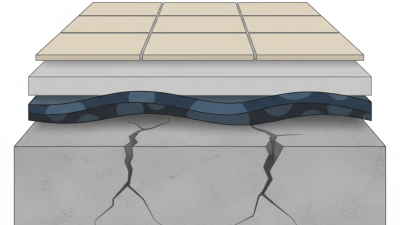
In the world of flooring projects, the choice of materials can significantly impact both the aesthetics and durability of the finished product. One critical element often overlooked is the decoupling membrane, which plays a pivotal role in enhancing the longevity and performance of various flooring systems. According to industry reports, approximately 80% of flooring failures can be attributed to substrate-related issues, underscoring the importance of selecting the right decoupling membrane to mitigate such risks. These membranes serve as a barrier that separates the flooring from the substrate, allowing for flexible movement and reducing the stress transferred through the layers.
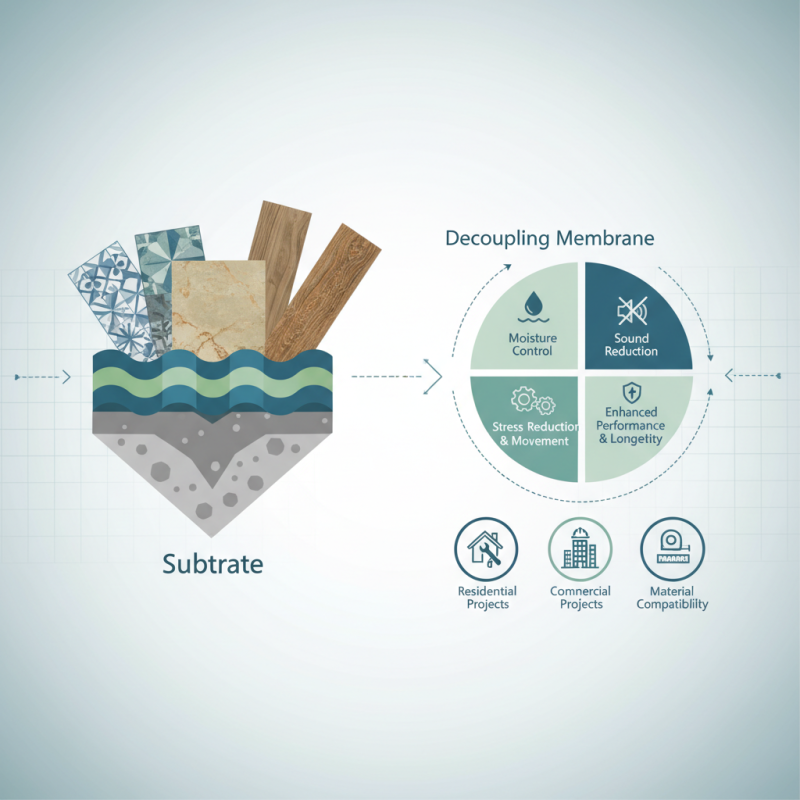
Moreover, advancements in material technology have led to the development of highly efficient decoupling membranes that cater to a variety of flooring types, including tile, stone, and luxury vinyl. With the flooring market projected to reach over $450 billion by 2024, the selection of an appropriate decoupling membrane has never been more crucial. The right membrane not only provides sound and moisture control but also enhances the overall performance of the installation, which is vital for both residential and commercial projects. In this guide, we will explore essential factors to consider when choosing a decoupling membrane, ensuring your flooring project achieves both functionality and lasting appeal.
Understanding Decoupling Membranes and Their Importance in Flooring
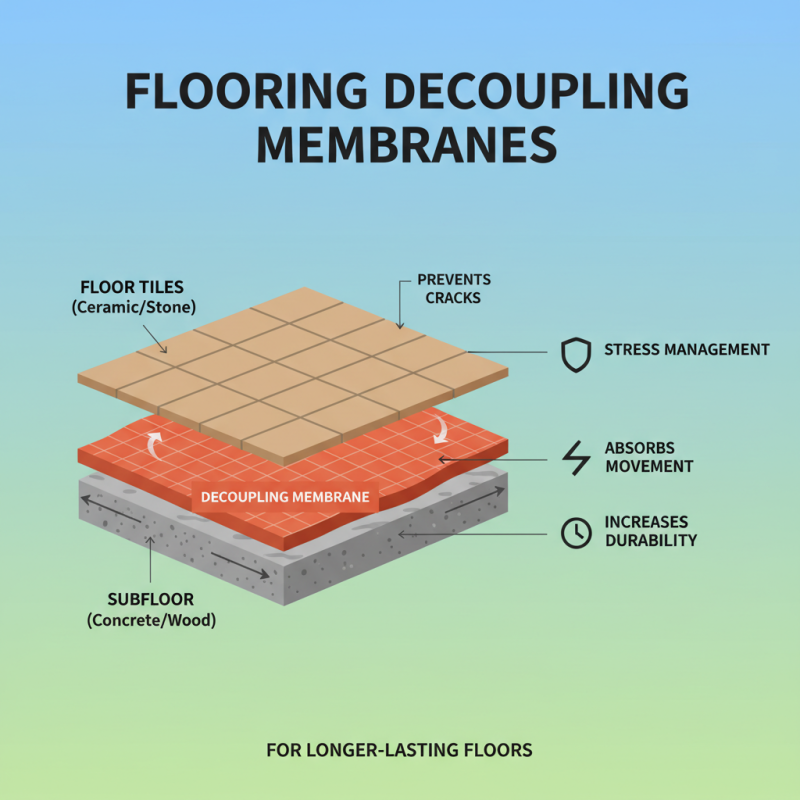
Decoupling membranes play a crucial role in flooring projects, particularly when it comes to managing stresses that can arise from the subfloor. These membranes act as a barrier between the floor and the substrate, helping to prevent cracks and other potential damage to the flooring material. By absorbing movement and accommodating expansion and contraction, decoupling membranes enhance the longevity and durability of the flooring system. Understanding their importance is essential for achieving a successful flooring installation.
Tips for selecting the right decoupling membrane include evaluating the specific conditions of your project. Consider factors such as the type of subfloor, the kind of flooring being installed, and the local climate. For instance, if you're working with a concrete subfloor, a membrane with good moisture control properties may be critical. Additionally, always consult installation guidelines to ensure compatibility between the membrane and the flooring products, which can help avoid costly mistakes down the line.
Another essential tip is to assess the thickness of the decoupling membrane. Thicker membranes may provide better performance in terms of sound insulation and movement absorption; however, they might also raise the overall floor height, which can affect transitions to other areas. Balancing performance and practical considerations is key to making an informed decision for your flooring project.
Factors to Consider When Selecting a Decoupling Membrane
When selecting a decoupling membrane for your flooring project, several key factors come into play. First and foremost, the type of flooring material you will be using significantly impacts your decision. Different materials have varied requirements in terms of flexibility, moisture resistance, and overall compatibility with the underlying substrate. For instance, ceramic tiles may necessitate a different membrane compared to luxury vinyl planks. Understanding these specific needs is crucial for ensuring the longevity and performance of your flooring.
Another important consideration is the environment in which the flooring will be installed. Factors such as humidity, temperature fluctuations, and even the subfloor type can influence the effectiveness of a decoupling membrane. Membranes must be selected based on their ability to accommodate movement, resist moisture, and provide thermal insulation where needed.
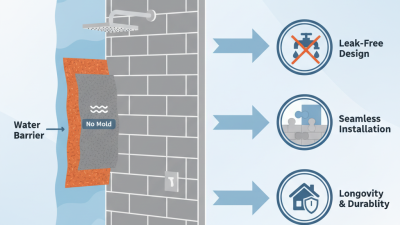
**Tips:** Always consider the installation location; for instance, high-moisture areas like bathrooms may require membranes designed for added moisture protection. Additionally, ensure that the thickness of the membrane aligns with the height requirements of your flooring to avoid potential leveling issues. Before making a purchase, testing a sample in your intended environment can provide valuable insights into its performance and suitability for your project.
How to Choose the Right Decoupling Membrane for Your Flooring Project - Factors to Consider When Selecting a Decoupling Membrane
| Factor |
Considerations |
Typical Applications |
| Material Composition |
Look for polyethylene, polypropylene, or composite materials for durability. |
Tile and stone flooring. |
| Thickness |
Thicker membranes provide better sound insulation. |
Use in residential and commercial spaces. |
| Moisture Resistance |
Essential for areas prone to water exposure. |
Bathrooms, kitchens, and basements. |
| Flexibility |
Choose a membrane that can accommodate minor floor movement. |
On-site installations with varying substrates. |
| Installation Method |
Check if thin-set or self-adhesive options are available. |
DIY and professional installations. |
Different Types of Decoupling Membranes and Their Applications
When selecting a decoupling membrane for your flooring project, it is crucial to understand the different types available and their specific applications. Decoupling membranes serve as a critical layer between the subfloor and the finished flooring, effectively minimizing stress caused by moisture, temperature, and pressure fluctuations. Among the most popular options are polyethylene-based and cementitious membranes, each designed for unique environments. According to a report from the Tile Council of North America, improper installation can lead to failure rates as high as 15%, emphasizing the need for appropriate choices based on your specific flooring type and setting.
Polyethylene membranes offer excellent moisture control and are particularly suited for residential projects. They protect against moisture intrusion and thermal movement, making them ideal for areas like bathrooms and kitchens. On the other hand, cementitious membranes are designed for more demanding environments, such as commercial spaces where heavy foot traffic is expected. These membranes are thicker and provide greater stability for larger tiles, which is a significant consideration as industry reports suggest that heavy tiles of up to 12x24 inches require robust support to avoid cracking or detachment.
Tip: Always check the manufacturer's specifications for compatibility with the chosen flooring type and ensure that the installation method aligns with the project's requirements. Tip: Consider the local climate and expected temperature fluctuations when selecting a membrane, as this can greatly impact its effectiveness and longevity.
Installation Guidelines for Decoupling Membranes in Flooring Projects
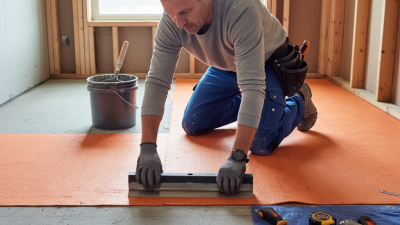
When installing flooring, selecting the appropriate decoupling membrane is essential to ensure a successful outcome. Installation guidelines for these membranes typically emphasize the importance of a well-prepared substrate. According to the Tiling Industry Standards (TISE), the substrate should be clean, dry, and free from contaminants to guarantee proper adhesion. This preparation prevents potential movement between the substrate and the flooring material, which is crucial in areas prone to moisture or temperature fluctuations. Experts suggest that a decoupling membrane can reduce the strain on the tiled surface, preventing cracks and increasing longevity.
Furthermore, the installation procedure should involve careful alignment and cutting of the membrane to fit the space accurately. A report by the National Tile Contractors Association (NTCA) highlights that incorrect installation can lead to failure rates as high as 25%, emphasizing the need for precise adherence to guidelines. Typically, the membrane is adhered using a thin-set mortar, and it is vital to allow adequate curing time before proceeding with the installation of the flooring material. Additionally, installers should consider the specific environment—such as steam rooms or outdoor patios—when selecting the thickness and type of membrane, as each application may demand variations in installation methods to enhance performance and durability.
Common Mistakes to Avoid When Choosing Decoupling Membranes
When selecting a decoupling membrane for your flooring project, it's essential to be aware of common missteps that can lead to complications. One prevalent mistake is overlooking the specific needs of the subfloor. For instance, according to a report by the Tile Council of North America, improper subfloor preparation can result in tile installations that are prone to cracking or debonding, which affects up to 35% of all flooring failures. Choosing a decoupling membrane that addresses these issues is crucial; membranes should be selected based on their ability to accommodate movement in the substrate and provide adequate moisture protection.
Another error to avoid is not considering the compatibility of the membrane with your chosen flooring materials. A study published in the Journal of Floor Covering Research highlights that mismatched materials can lead to premature wear and eventual failure of the floor system. Installers often neglect to check manufacturer guidelines regarding compatibility, which can severely affect the long-term performance of the flooring. To mitigate these risks, always ensure that the decoupling membrane is designed to work with the tile or stone type you intend to install, and consult comprehensive technical guidelines to make informed choices.