
How to Choose an Aluminum Composite Panel Factory?

Choosing an Aluminum Composite Panel Factory is not a simple price comparison. It is a decision about safety, consistency, technical support, and long-term accountability. A polished sample can still hide weaknesses.

Michael Chusid, a recognized building-materials consultant, offers a useful principle: “A material is only as reliable as its documented performance.” This idea matters when evaluating panel suppliers. Ask for core specifications, coating details, fire-test reports, production records, and independent certifications. Do not rely on attractive brochures alone. Check whether the factory can explain its test methods clearly. Vague answers deserve attention.

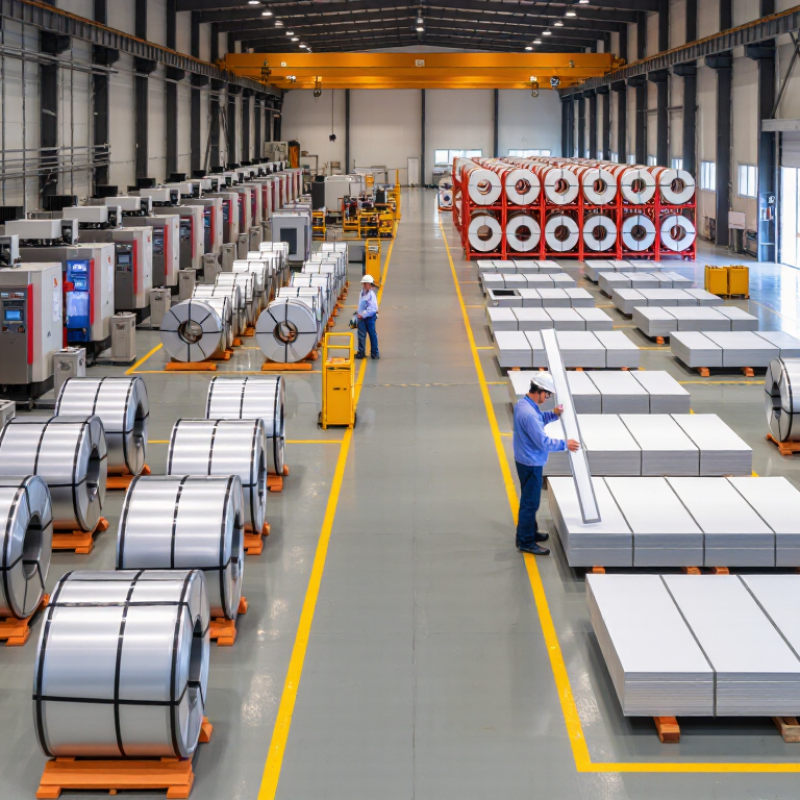
Look closely at the production environment. Are aluminum coils stored indoors? Are thickness and color checked during manufacturing? Can the supplier provide batch numbers and inspection records? These details reveal operational discipline. A factory with modern equipment is helpful, but equipment alone proves little. Trained technicians and repeatable quality controls matter more.

Request physical samples before signing a contract. Examine the surface under direct light. Check flatness, edge cutting, protective film, and color uniformity. Ask how the panels perform in humid, coastal, or high-temperature conditions. Confirm packaging quality, delivery capacity, warranty terms, and after-sales response.

Some buyers focus too heavily on the lowest quotation. That can become an expensive mistake. Yet higher pricing does not automatically guarantee better panels. Compare documented performance, not promises. Visit the Aluminum Composite Panel Factory when possible. Speak with quality managers, not only sales representatives. The best choice may still involve uncertainty, but careful verification makes that uncertainty manageable.

How to Choose an Aluminum Composite Panel Factory?

Understanding Aluminum Composite Panel Factory Capabilities

How to Choose an Aluminum Composite Panel Factory?
Understanding Aluminum Composite Panel Factory Capabilities
A capable aluminum composite panel factory should show more than attractive samples. Check whether it controls core production, aluminum preparation, coating, lamination, and final inspection. Ask for production records, equipment details, and recent project references. A clean workshop matters, but process discipline matters more.
Inspect the factory’s ability to maintain consistent panel thickness, flatness, color, and bonding strength. Useful testing may include peel strength, coating adhesion, surface hardness, and weathering resistance.
Ask how operators record batch numbers and handle nonconforming panels. Traceability should be simple, visible, and verifiable.
Request samples from different production batches. Compare them under natural daylight. Small color differences can become obvious on a large facade.
Review the factory’s technical support, packaging method, cutting guidance, and response time.
A reliable supplier should explain limitations honestly, not promise every specification.
No factory is flawless.
That matters.
During evaluation, I would also check whether quality staff can stop production when results fail. This reveals more than a polished showroom. Capacity claims deserve careful review too; a large monthly figure may not reflect your required panel type, finish, or delivery schedule. Select a factory that documents its capabilities clearly and accepts reasonable inspection before shipment.

Defining Your Project Requirements and Panel Specifications

How to Choose an Aluminum Composite Panel Factory?

Defining Your Project Requirements and Panel Specifications

Choosing an aluminum composite panel factory should begin with your project, not a sales catalogue. Record the building location, façade area, panel dimensions, installation method, and expected service life. A coastal building may need stronger corrosion resistance. A high-rise project may require carefully verified fire performance and wind-load data. Panel thickness, aluminum skin thickness, core type, coating system, gloss level, and color must be written clearly. Small differences can affect cutting, forming, and final appearance.

From practical project reviews, vague specifications often create expensive revisions. I once saw a color approved from a screen image, then rejected beside the actual sample. That mistake was avoidable. Request physical samples, technical datasheets, coating information, dimensional tolerances, and recent independent test reports. Ask how the factory controls raw materials, production batches, flatness, and color consistency. Reliable manufacturers should explain their process without hiding behind general claims. They should also confirm packaging, delivery conditions, replacement procedures, and document control.

Tips: Prepare a requirement sheet before contacting factories. Include drawings, quantities, panel sizes, edge details, and performance targets. Compare samples under daylight and indoor lighting. Check whether the proposed core suits local building requirements. Ask for a small trial batch before full production. Do not assume a lower price means better value; sometimes it reflects thinner skins or weaker quality control. Recheck every specification before approval, because even experienced teams miss details.

Evaluating Materials, Production Standards, and Quality Control

How to Choose an Aluminum Composite Panel Factory?

Material evaluation should begin with the core, alloy, coating, and bonding system. A factory should disclose aluminum thickness, alloy grade, coating type, and core composition. Mineral-filled cores may improve fire performance, but they can affect panel weight and processing stability. The International Aluminium Institute reported 70.6 million tonnes of primary aluminum production in 2023. Its lifecycle research also indicates that recycled aluminum requires roughly 5% of the energy used for primary production. Ask for verified recycled-content records, not only attractive sustainability claims.

Production standards reveal how consistently a factory works. ISO 9001 certification supports documented processes, corrective actions, and traceable batches. For fire-rated panels, request testing against EN 13501-1 or the applicable local standard. Independent laboratories should operate under ISO/IEC 17025 accreditation. Peel strength testing, including methods such as ASTM D1781, can expose weak bonding between the core and skins. Small defects matter.

Quality control should cover incoming coils, coating thickness, color variation, flatness, dimensions, and finished-panel adhesion. Ask to see calibration records, retained samples, and nonconformance reports. A reliable factory can explain what happens after a test fails. No factory is flawless. That is the point. During an audit, inspect one production batch rather than trusting a polished showroom sample. Check panel edges, protective film adhesion, and surface waviness under angled light. Sometimes the quiet details tell more than the certificate.

Comparing Factory Experience, Customization, and Service Support

How to Choose an Aluminum Composite Panel Factory?

Factory experience should mean more than years on a website. Ask for completed projects, production records, and test certificates. A capable factory should explain core thickness, coating type, flatness tolerance, and fire-performance options clearly. The UNEP 2022 Global Status Report states that buildings produced 37% of global energy and process-related emissions. Therefore, material durability and replacement frequency deserve serious attention. A low initial price can become expensive after peeling, warping, or color variation.

Customization reveals technical maturity. Request a physical sample, not only a digital color chart. Check corner folding, edge finishing, panel dimensions, and batch consistency under real lighting. The factory should confirm whether its coating system meets the project’s required standard, such as EN 13501-1 for reaction to fire. Market research published by Grand View Research indicates continued growth in the aluminum composite panel sector through 2030. That growth may increase supplier choices, but not necessarily quality. I would avoid trusting impressive claims without traceable evidence.

Tips: Ask for a sample approval record, production photos, and a written inspection plan. Confirm who handles drawings, replacements, and installation questions. Service support is often the overlooked test. A responsive team should answer within an agreed timeframe and provide technical documents in your language. Delays happen. Clear responsibility matters more than perfect promises. Allow a small tolerance for human error, but never for missing safety data.

Verifying Certifications, Samples, Pricing, and Delivery Terms

Choosing an aluminum composite panel factory requires more than comparing catalog prices. Start by checking certificates directly with the issuing organization. Confirm the certificate number, validity, production site, and covered processes. ISO’s 2022 Survey recorded 1,265,216 ISO 9001 certificates worldwide, but certification alone does not prove panel quality. Paperwork is not performance. Request test reports for peel strength, coating thickness, fire behavior, and dimensional tolerance. The report should identify the exact panel structure, not a similar product.

Samples reveal reality. Ask for full-size panels, not only small color chips. Inspect the surface under angled light. Check flatness, edge cutting, protective film, and color consistency. Request samples from different production batches when possible. Compare the aluminum thickness, core composition, and coating system with the quotation. An independent laboratory can verify critical results before mass production. This costs more. It may prevent expensive rework.

Pricing must include packaging, inspection, inland transport, insurance, duties, and Incoterms. A low factory quote can hide important exclusions. Delivery terms need equal attention. The World Bank’s 2023 Logistics Performance Index evaluates shipment reliability and timeliness on a five-point scale, showing why port selection and tracking matter. Obtain a written schedule covering approval, production, loading, and arrival. Add a realistic buffer for holidays and port congestion. I would also request a remedy for late delivery, although many buyers overlook this detail. That omission can become costly.

How to Choose an Aluminum Composite Panel Factory?

A practical 100-point procurement framework for verifying certifications, samples, pricing, and delivery terms.

How to use this chart: Score each factory against the five criteria and multiply the result by the suggested weight. Request current certification documents, production samples, itemized quotations, written delivery terms, and quality-control records before placing an order.

The 100-point weighting is a transparent purchasing framework rather than a ranking of any specific company or brand. Certification authenticity, sample performance, total landed cost, delivery reliability, and traceability should all be verified independently.

Resources

Copyright © CUSTOM Building Products 2025
Products | Resources | Interactive Tools | Warranties | Privacy Policy | Terms of Use | Technical Training