



Choosing the best skin care products for your business requires more than attractive packaging and popular claims. Your selection affects customer trust, repeat purchases, and your brand’s reputation. A product may look impressive on a display shelf, yet feel disappointing after one use. That gap matters.
Begin with your customers’ real needs. Consider skin types, climate, age groups, fragrance preferences, and common concerns. A lightweight gel may suit humid cities, while a richer cream may perform better during dry winters. Study ingredient lists carefully. Look for clear product information, stable formulas, suitable packaging, and evidence from quality testing. Reliable suppliers should explain their manufacturing standards, product testing, batch tracking, and storage requirements without avoiding difficult questions.
Do not choose products only because they are trending. Trends change quickly. Your business needs products that perform consistently and support responsible customer expectations. Request samples, test texture, observe absorption, and record feedback from different users. Small details matter, such as a pump that prevents contamination or a label that remains readable in a busy bathroom.
There is no perfect range.
Even experienced buyers can misjudge demand. A product that works well in one market may sell slowly in another. Review sales data, customer comments, return patterns, and supplier performance regularly. When selecting skin care products, combine professional advice with practical testing and honest evaluation. Your strongest range may develop gradually, through careful decisions and a willingness to revise them.
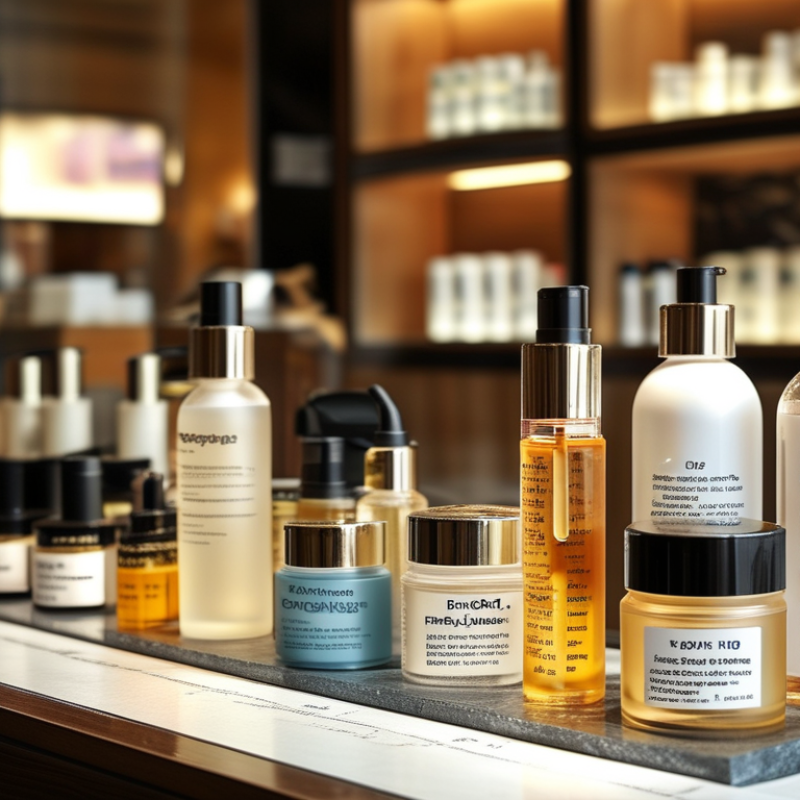
Your product plan should begin with your customer, not a fashionable ingredient. Describe their age range, skin concerns, climate, budget, and daily routine. A lightweight lotion may suit humid markets, while dry regions may need richer textures. Ask practical questions. Will customers use it at home, in salons, or during travel?
I once created a product brief that tried to serve everyone. It became expensive and unclear. A narrower audience would have helped. Define the product format, size, fragrance level, texture, and expected shelf life. Decide whether your customers prefer simple formulas or sensorial experiences. Record every requirement in writing, including packaging needs and acceptable production costs.
Safety and evidence must guide the final specification. Request full ingredient information, batch records, stability data, and microbiological testing from potential suppliers. A qualified cosmetic chemist can review the formula and check whether its claims are realistic. Use clear cosmetic language instead of promising to treat medical conditions. Confirm labeling, packaging, and advertising rules in each target market. Small details matter, such as readable directions and secure caps.
Test before ordering at scale. Give samples to suitable users and collect feedback about absorption, irritation, scent, and packaging. Keep the results, even when they are disappointing. Your requirements may change after testing. That is useful evidence, not failure. Reliable decisions come from documented needs, verified safety information, and honest customer feedback.



Copyright © CUSTOM Building Products 2025
Products | Resources | Interactive Tools | Warranties | Privacy Policy | Terms of Use | Technical Training
