



Choosing the right Floor Lamp is more than matching a shade to a sofa. It is a practical lighting decision involving comfort, safety, energy use, and room proportion. The International Energy Agency and United Nations Environment Programme report that lighting represents about 15% of global electricity consumption. That figure makes efficiency worth considering, even for one living room. The U.S. Department of Energy also states that LED bulbs use at least 75% less energy and last up to 25 times longer than incandescent bulbs.
A useful choice begins with the room’s actual needs. A reading corner may require focused, adjustable light near 800 lumens. A lounge area may benefit from softer, indirect illumination. Check the bulb’s color temperature, too. Around 2700K to 3000K usually feels warmer and more relaxing. For artwork or detailed tasks, a high color rendering index can reveal more natural colors. Look for a CRI of 80 or higher. A stable base matters on narrow floors. So does a shaded design that protects your eyes from direct glare. Small details become obvious at night.
There is no perfect lamp for every space. I sometimes overestimate appearance and underestimate switch placement. That mistake is easy to repeat. Measure the lamp beside the sofa, bed, or desk before buying. Confirm the cord can reach a safe outlet without crossing a walkway. Review independent product testing where available, and follow the manufacturer’s installation guidance. This approach supports informed decisions, rather than relying on attractive photographs or vague promises. A well-chosen Floor Lamp should quietly improve the room, consume reasonable energy, and remain useful after the trend disappears.
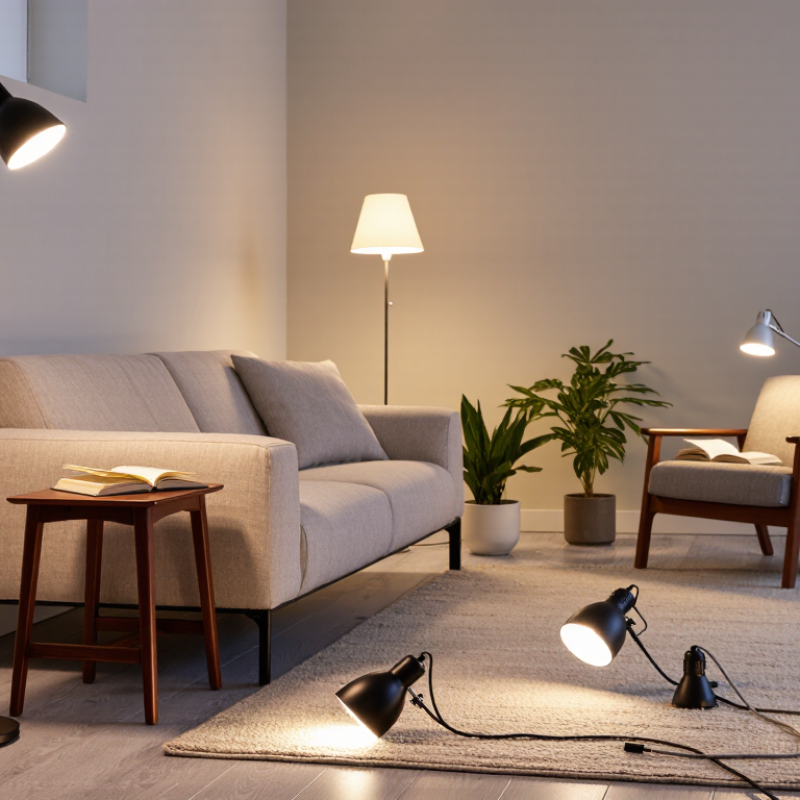
A floor lamp should serve the room’s main activity, not merely fill an empty corner. In a reading nook, direct light should reach the page without creating glare. In a living room, softer ambient light can support conversation and movement. IES guidance recommends setting illuminance according to the task, visual age, contrast, and room surfaces. For reading, a practical starting point is 300–500 lux at the task plane, then adjust through testing.
Tips: Measure at the book, desk, or floor surface. Check shadows from your usual sitting position. Choose adjustable height or beam direction when possible. A bright lamp can still feel uncomfortable.
Before buying, observe the room at night. Dark walls absorb light, while pale walls reflect it more effectively. A frosted shade may reduce harshness, but it can also lower useful output. Select a lamp with stable light distribution, suitable color quality, and controls that allow gradual adjustment. Keep the lamp away from walkways and ensure its base remains steady on rugs or uneven flooring.
Do not trust the package alone. Wattage describes energy use, not visual comfort. Compare lumen output, beam spread, color temperature, and dimming behavior. IES recommendations are valuable references, but they are not a substitute for measuring your actual space. My own first choice has sometimes looked perfect in a showroom and felt too bright at home. Test the lamp where you will use it.



Copyright © CUSTOM Building Products 2025
Products | Resources | Interactive Tools | Warranties | Privacy Policy | Terms of Use | Technical Training
