



Choosing Fiberglass Front Doors in 2026 means weighing more than color and curb appeal. A door can feel solid in a showroom yet perform poorly if its frame, weather seals, glazing, or installation are wrong. Look for independently rated thermal performance, a durable finish, and clear warranty terms. Then check the rough-opening measurements and the direction the door swings. Small details matter.
The 2024 Remodeling Cost vs. Value report estimated a 188.1% cost recoup for steel entry-door replacement. That figure is a resale-value benchmark, not a fiberglass-door result or a promise of return. For product comparisons, consult the National Fenestration Rating Council label, which reports metrics such as U-factor and solar heat-gain coefficient. These numbers help compare tested products; they do not tell you how well a specific door will be installed.
Building scientist Joseph Lstiburek is often associated with the reminder, “There is no such thing as a perfect wall.” Applied cautiously, that idea matters here: even a well-made door depends on sound flashing, drainage, and a careful fit. A low U-factor cannot fix a leaking sill. And a premium finish may still need maintenance. This guide will help you compare core construction, glass options, security hardware, climate suitability, and installation quality. One honest caveat: published performance data can be difficult to compare across brands. Check the actual ratings, not just polished claims.
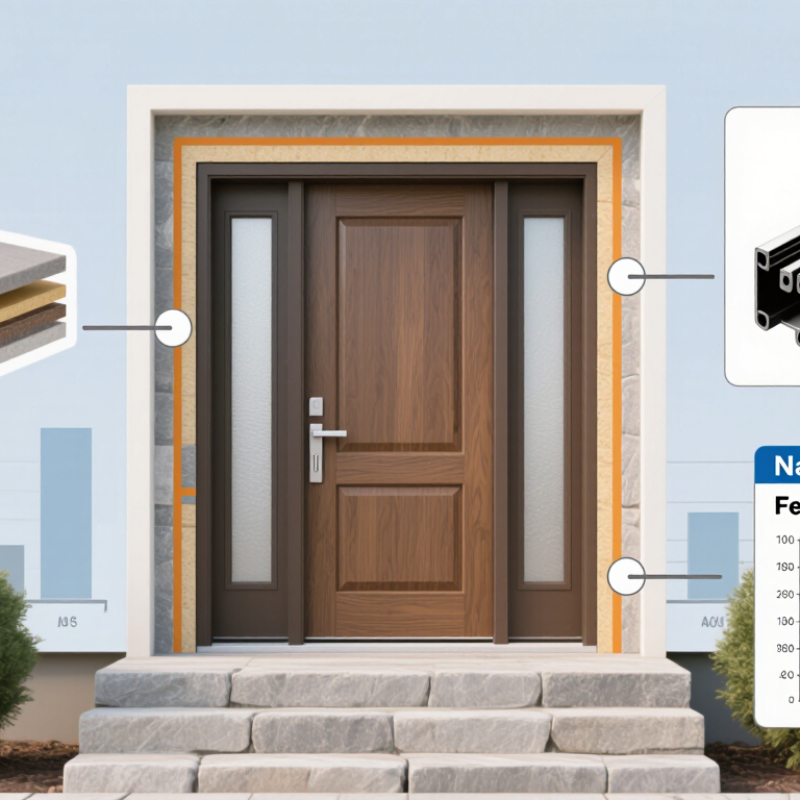
Start with the opening, not the finish. Measure its width, height, depth, and squareness at several points; older frames can shift. Note the swing direction, threshold height, nearby steps, and whether furniture blocks the arc. Then consider exposure: a shaded porch, strong afternoon sun, coastal moisture, and freezing winters create different demands. The U.S. Energy Information Administration’s 2020 Residential Energy Consumption Survey reports that space heating used about 42% of household energy. That figure is not door-specific, but it makes drafts and a poor frame fit worth checking.
Match the door to daily use. A busy entry may need a durable finish and an easy-clean surface; a dim hallway may benefit from glazing, balanced against privacy and heat gain. Ask for the complete door assembly’s NFRC-rated U-factor and, where relevant, solar heat gain coefficient—not just the slab’s advertised value. Check the frame, weatherstripping, sill, and installation details too. A well-rated slab can still disappoint if air slips around its edges. I’ve seen measurements taken only once; that shortcut can miss a tapered opening.
Tips: Photograph the existing hinges, lockset, and sill before shopping. Write down the rough-opening measurements and bring them to the supplier. Compare ratings for the climate where the home sits. And be honest about priorities: the “best” door may not be the one with the most glass or the lowest number.



Copyright © CUSTOM Building Products 2025
Products | Resources | Interactive Tools | Warranties | Privacy Policy | Terms of Use | Technical Training
