How to Choose the Best Waterproofing Membrane for Your Project?
Choosing the best waterproofing membrane for your project is crucial for long-term success. The global waterproofing market is projected to reach $36.4 billion by 2026, according to a recent industry report by MarketsandMarkets. This growth highlights the importance of selecting the right solution to prevent water damage in construction.
Experts suggest a careful examination of membrane types available today. Dr. Emily Carter, a leading waterproofing specialist, states, “The best waterproofing membrane should address specific needs while ensuring durability and flexibility.” Her insights can guide project managers in this vital phase. Various options exist, such as sheet membranes and liquid-applied systems, each with distinct advantages.
While it’s tempting to choose the cheapest option, a thorough analysis of project requirements is necessary. Some membranes may seem effective but lack longevity. Weather resistance, adhesion quality, and installation ease are vital factors to consider. Ultimately, a well-informed choice will enhance overall project integrity. Neglecting these crucial details can lead to costly repairs and extended downtime, making the selection of the best waterproofing membrane a priority.
Understanding the Importance of Waterproofing Membranes in Construction
Waterproofing membranes play a crucial role in construction. They prevent water intrusion, protecting structures from damage. According to industry reports, nearly 90% of construction failures stem from water-related issues. This highlights the necessity of choosing the right membrane.
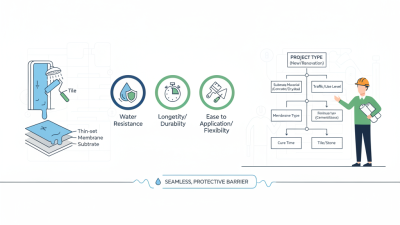
When selecting a waterproofing membrane, consider the type of project. Different environments demand different solutions. For example, below-grade structures require robust, durable membranes. In contrast, above-grade applications might benefit more from breathable options. The choice affects not only the building’s longevity but also its safety. A study revealed that poor waterproofing can lead to a 30% increase in long-term maintenance costs.
Additionally, installation quality often dictates membrane effectiveness. Misapplication can result in significant leaks. Research shows that poorly installed membranes dry out 50% faster than correctly applied ones. Hence, proper training for workers is vital. The criteria for evaluation should include ease of application and adaptability to varying conditions. Each project offers unique challenges, and flexibility often dictates success.
Types of Waterproofing Membranes Available for Various Applications
Choosing the right waterproofing membrane is essential for any construction project. When considering types of membranes, it's important to know the options available based on application. There are typically three main categories:
sheet membranes, liquid membranes, and cementitious membranes.
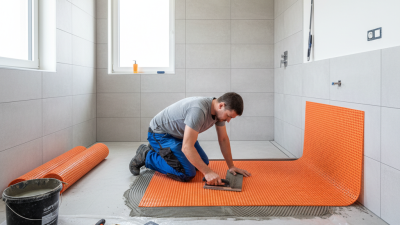
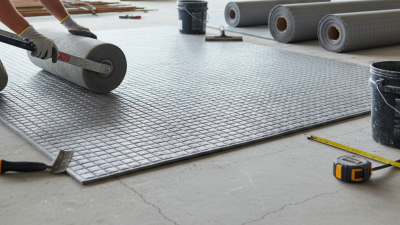
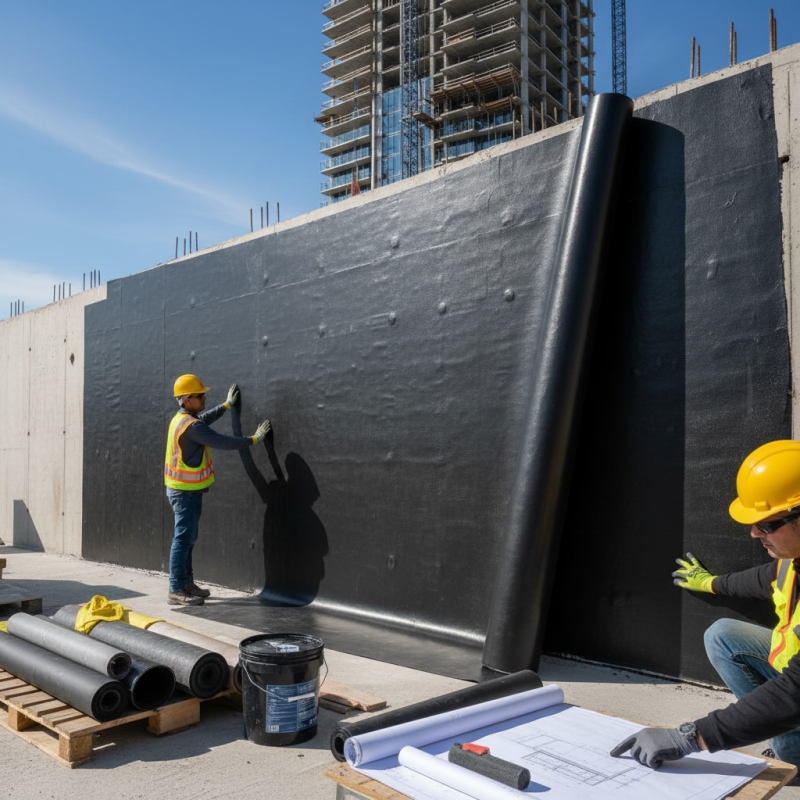
Sheet membranes are often made of materials like PVC or TPO. They come in large rolls, making them ideal for covering vast areas. These membranes are usually used in basements and roofing systems.
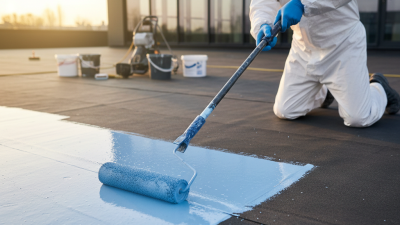
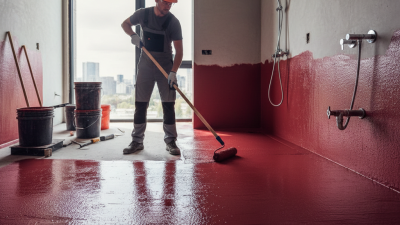
Liquid membranes, on the other hand, are versatile. They can be sprayed or rolled on surfaces, allowing for easier application in complex shapes. Finally, cementitious membranes are commonly used for foundations. They are effective in both above and below-grade applications.
Tips: Think about your specific environment. Will it be exposed to high moisture levels? Choose accordingly! Always ensure the surface is clean before application. Any debris can lead to
adhesion failure. Consider climate factors too. In colder regions, some membranes can become brittle, impacting
longevity. It's worth considering these variations in environmental conditions before making a decision.
Key Factors to Consider When Selecting a Waterproofing Membrane
Choosing the right waterproofing membrane for your project is crucial. Several factors come into play.
First, consider the material. Different membranes have varied durability,
flexibility, and performance in specific conditions. For example, some materials perform better
in extreme temperatures, while others excel in humid environments.
Next, think about the installation method. Some membranes require special tools or techniques.
This can complicate the application process. It is important to assess your team's skill level. A complicated installation might lead to mistakes and future leaks.
Lastly, don’t overlook the cost. Higher price doesn’t always mean better quality. You may find a
mid-range option that performs well. Research is key. Look at long-term benefits and potential issues.
This will help you make a more informed decision. Remember to reflect on your specific project needs. Every detail counts.
Comparative Analysis of Cost vs. Performance in Waterproofing Options
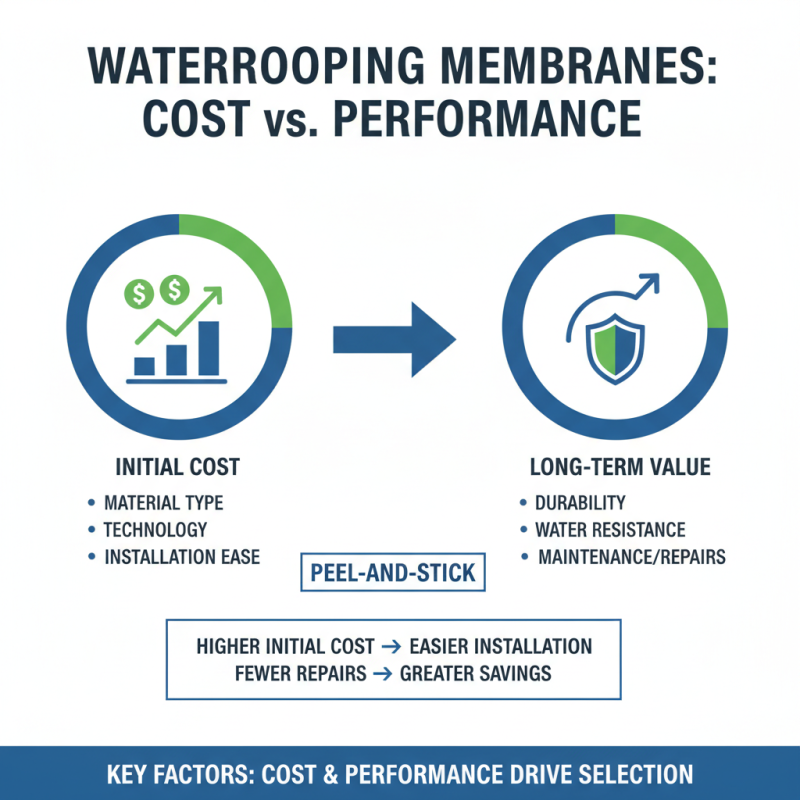
When selecting a waterproofing membrane, cost and performance are key factors to consider. Different materials and technologies offer varying levels of durability and water resistance. Some options, like peel-and-stick membranes, may initially seem costly but save money in the long run due to easier installation and fewer repairs.
Tip: Assess the environment. High humidity areas require robust membranes. Remember, not all solutions are equal. Some cheaper options might perform poorly over time. Reflect on long-term savings versus upfront costs. A cheap membrane may result in failures or leaks, costing more later.
Consider the installation process. labor costs can add up. Inexperienced workers may struggle with more complex products. Choose a membrane that suits the expertise of your team. Analyze your project's specific needs. Take into account the type of surface, exposure to water pressure, and temperature variations. This thoughtful approach can lead to better outcomes.
Installation and Maintenance Tips for Long-Lasting Waterproofing Solutions
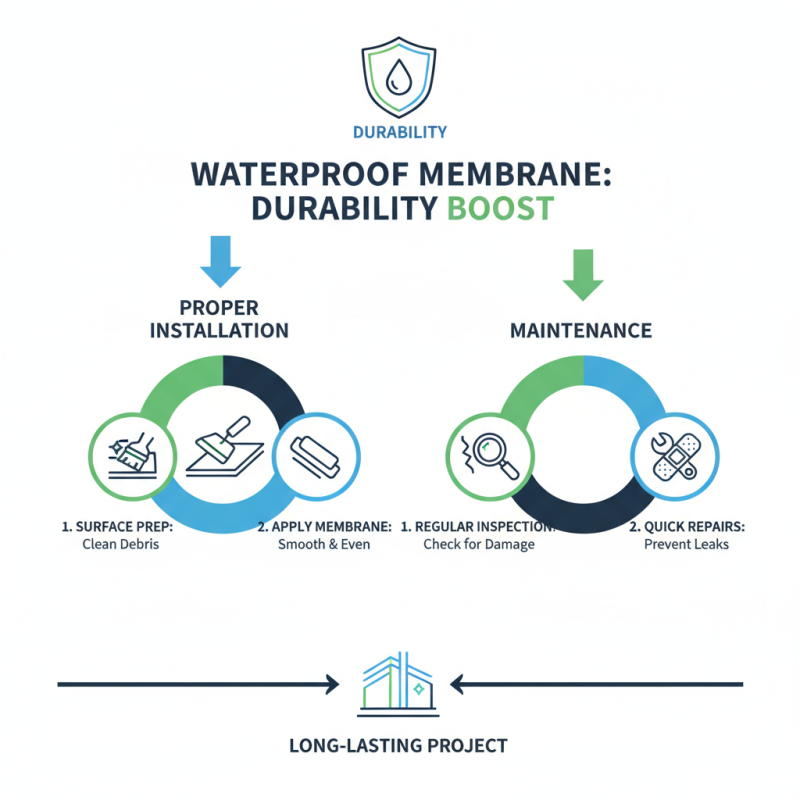
Installing a waterproofing membrane can make a big difference in project durability. The key to success lies in proper installation and maintenance. Begin by preparing the surface carefully. Clean it thoroughly of debris and dust. This helps the membrane adhere better and prevents future issues.
During application, ensure even coverage and proper overlaps. Pay attention to corners and joints; they are prone to leaks. Regular inspections are critical after installation. Look for any signs of wear or damage. If you find issues, address them quickly to avoid water infiltration. Remember, maintenance might seem tedious, but it is essential for prolonging the membrane's lifespan.
Consider environmental factors, too. UV rays and extreme temperatures can affect durability. In some cases, applying a protective top layer can extend the membrane's life. Reflect often on your approach. Are you checking the membrane consistently? Are you keeping an eye on the environment around it? Making adjustments early can save you from bigger headaches later on.