How to Choose the Best Waterproofing and Crack Prevention Membrane?
Choosing the right waterproofing and crack prevention membrane is crucial for any construction project. With numerous products available, it can be challenging to determine the best option. A quality membrane protects structures from water damage and potential cracks. Every choice impacts longevity, durability, and overall performance.
Informed decisions require expertise. Many factors influence the effectiveness of waterproofing and crack prevention membranes. These include material type, application method, and environmental conditions. Not all membranes are suitable for every project. Some may not perform well in extreme weather.
Proper selection not only prevents future issues but also saves costs. A flawed choice can lead to significant repairs down the line. A reliable waterproofing and crack prevention membrane forms the foundation of a successful building. Understanding these details is essential for maintaining integrity and safety in your construction efforts. Be mindful, and always consider the long-term implications of your choice.
Factors to Consider When Choosing Waterproofing Membranes
Choosing the best waterproofing membrane involves multiple factors that significantly impact its effectiveness. One vital consideration is the application type. Different environments demand specific membranes. For instance, below-grade waterproofing requires robust systems to counteract hydrostatic pressure. Using a membrane that doesn’t address this could lead to catastrophic failures.
Material composition is essential. Membranes can be polymer-based or bitumen-based, each offering unique benefits. According to a study by the American Concrete Institute, polymer membranes have better flexibility, while bitumen membranes are more cost-effective and widely used in commercial applications. Understanding the differences can guide proper selection for your project.
Tips: Test a small section first. This helps gauge adhesion and performance. Also, consider environmental conditions. UV exposure can degrade some membranes faster than others.
Lastly, always review manufacturer certifications and third-party testing reports. Rely on data from industry experts. Research shows that compliance with standards can influence longevity and durability. When choosing a membrane, remember that not all options guarantee waterproofing. A poor choice can lead to leaks and structural damage. It's crucial to balance cost and performance for effective long-term solutions.
Types of Waterproofing Membranes: A Comparative Analysis
When selecting a waterproofing membrane, understanding the types available is crucial. Common types include bituminous membranes, thermoplastic membranes, and liquid-applied membranes. Bituminous membranes are popular for flat roofs. They are durable, yet can be heavy and labor-intensive to install. Thermoplastic membranes, on the other hand, are lighter and offer flexibility, making them easier to handle. However, they might require a more extensive installation process.
Liquid-applied membranes are versatile and can conform to irregular surfaces. They offer seamless protection, yet they depend heavily on proper application. A slight miscalculation during installation can lead to vulnerabilities. Each type has its strengths and weaknesses based on specific conditions. Users often find reviews helpful but may overlook their context, leading to misinformed choices. Inadequate research on climate and building structure could lead to unwanted complications in the long run.
Understanding local codes and environmental conditions can influence the decision on which membrane to choose. These factors may not be obvious at first glance, yet they are essential in ensuring the longevity of the waterproofing solution. Regular inspections can help identify any early damages. This practice is often ignored but is critical in maintaining the effectiveness of the chosen membrane. It's a reminder that ongoing diligence is necessary in building protection.
Comparison of Different Types of Waterproofing Membranes
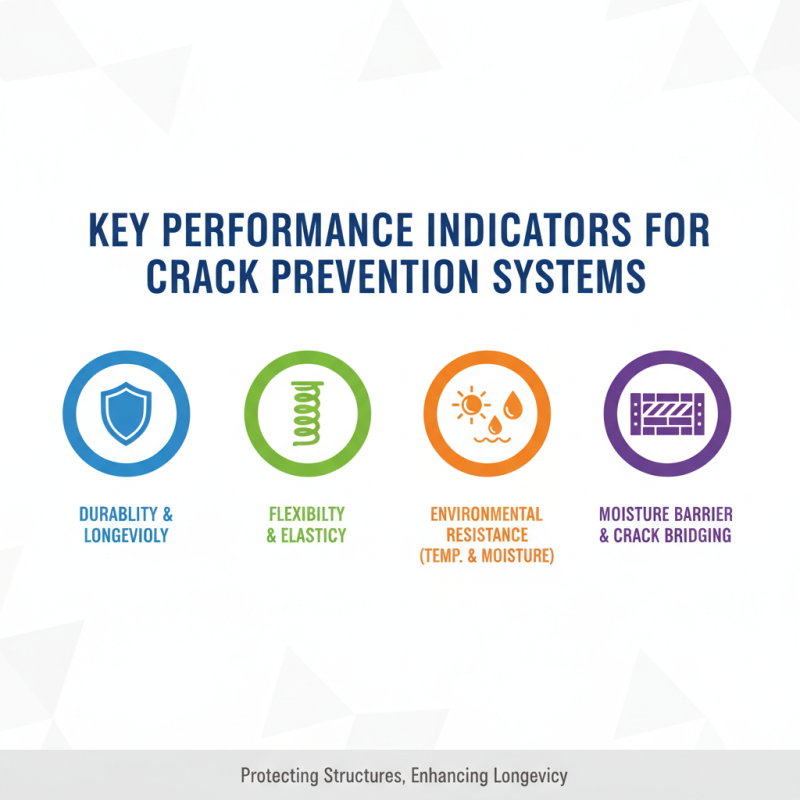
Key Performance Indicators for Crack Prevention Systems
When selecting a waterproofing and crack prevention membrane, consider several key performance indicators. These factors determine the effectiveness of the system in protecting structures. A high-quality membrane should possess durability, flexibility, and resistance to environmental stressors. It is essential to analyze its ability to withstand moisture penetration and temperature fluctuations.
Tips: Always inspect the installation process. Even a high-performance membrane can fail if not applied correctly. Ensure that surfaces are clean and dry. Any contaminants can compromise adhesion.
Another indicator is tensile strength. This aspect measures how much force the membrane can handle before it tears. A robust membrane will maintain integrity under pressure. Pay attention to elongation properties as well, which indicate how much the membrane can stretch without breaking.
Tips: Conduct regular maintenance checks. Small cracks can escalate if left unattended. Keeping an eye on the condition of the membrane can save time and money in the long run.
Lastly, consider the adhesion properties. A membrane that bonds well to various substrates will provide better protection against water ingress. Evaluate how it performs under different temperature conditions. A membrane's response can vary in extreme climates, impacting its overall reliability.
Industry Standards and Certifications for Waterproofing Solutions
When selecting a waterproofing membrane, industry standards and certifications play a crucial role. These certifications ensure products meet specific performance criteria. For instance, membranes may undergo tests to verify their resistance to water penetration. According to the American Society for Testing and Materials (ASTM), a proper waterproofing membrane must exceed a water pressure of at least 15 psi.
Additionally, the International Code Council (ICC) provides certifications that focus on durability and longevity. Membranes that meet ICC standards are more likely to withstand harsh environmental conditions. This is essential, especially in areas with fluctuating temperatures and heavy rainfall. Reports indicate that approximately 30% of building failures are due to inadequate waterproofing. Such figures highlight the importance of choosing certified products.
It's also vital to recognize that some manufacturers may have misleading claims. Testing methods can differ significantly between companies, leading to confusing information. Independent third-party testing can add transparency to the decision-making process. Ensuring that a product is not only certified but also backed by reputable testing helps build trust. Understanding these industry standards empowers consumers to make informed choices.
How to Choose the Best Waterproofing and Crack Prevention Membrane? - Industry Standards and Certifications for Waterproofing Solutions
| Membrane Type |
Waterproof Rating |
Crack Bridging Ability |
Durability (Years) |
Certifications |
| Liquid Membrane |
Excellent |
High |
10-20 |
ASTM, ISO |
| Sheet Membrane |
Very Good |
Moderate |
15-25 |
ANSI, CE |
| Spray Applied Membrane |
Good |
High |
5-15 |
UL, ASTM |
| Bentonite Membrane |
Very Good |
Low |
20-30 |
ISO, EN |
| Epoxy-Based Membrane |
Excellent |
Very High |
10-20 |
ASTM, CE |
Cost-Benefit Analysis of Different Waterproofing Techniques
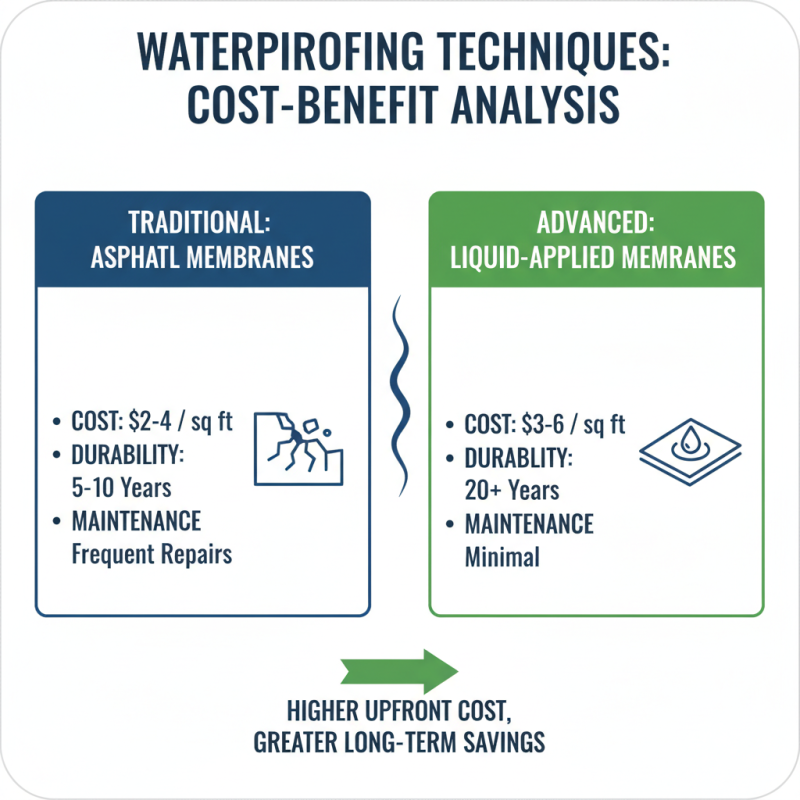
When evaluating waterproofing techniques, a cost-benefit analysis reveals significant variations in effectiveness and expense. Traditional methods like asphalt membranes can cost between $2 to $4 per square foot. However, they offer limited durability, often requiring repairs every few years. In contrast, advanced options such as liquid-applied membranes may have a higher upfront cost of $3 to $6 per square foot, but they provide superior longevity, lasting over 20 years with minimal maintenance.
Additionally, the effectiveness of crack prevention methods plays a crucial role. The American Society of Civil Engineers reports that structural damage from water intrusion often costs property owners thousands of dollars annually. Therefore, investing in high-quality waterproofing systems could save significant repair costs in the long run. For instance, a comprehensive waterproofing solution could reduce repair frequency by 50%, proving to be more economical despite higher initial investments.
Balancing immediate costs with long-term benefits is vital. Less expensive solutions might seem attractive but often fall short in performance. It's essential to weigh the initial investment against potential savings through reduced maintenance and enhanced structural integrity. Relying on low-cost options may lead to frequent repairs, causing ultimately higher expenses. Thus, strategic choices in waterproofing can lead to better financial outcomes over time.