How to Choose the Best Water Barrier Membrane for Your Project?
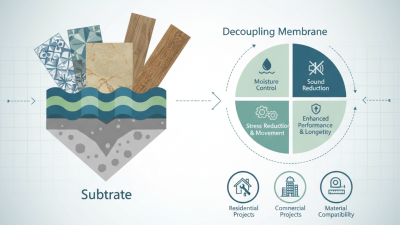
Choosing the right water barrier membrane is crucial for any construction project. A suitable option protects structures from moisture damage. Different membranes serve various purposes, and understanding their features is vital.
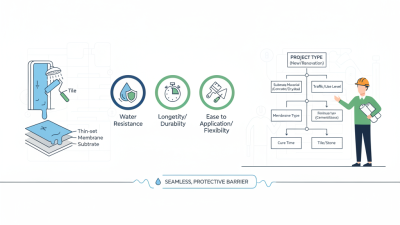
When selecting a water barrier membrane, consider factors like material type and installation method. Some membranes excel in durability, while others focus on flexibility. It's important to evaluate the specific environmental conditions your project may face.
Not every water barrier membrane is perfect for every project. Sometimes, what seems like a great choice may lead to issues down the line. Proper research and testing help in making the right selection.
Understanding Water Barrier Membranes: Definitions and Functions
Water barrier membranes serve a crucial role in
construction and infrastructure projects. They are designed to prevent moisture penetration, safeguarding
structures from water damage. These membranes act as a shield against rain, humidity, and groundwater.
Choosing the right membrane can be complex, given the variety of options available.
Different membranes offer unique benefits and applications. Some are specifically tailored for below-grade
areas, while others excel in above-grade applications. Understanding the environment where the membrane
will be used is essential. For instance, a high water table
might require a different membrane compared to a humid climate.
Factors like installation ease and durability must also be considered. Test your chosen option before
committing to large-scale projects.
Reflecting on water barrier membranes, it’s easy to overlook certain details. The selection process can be
overwhelming. Misjudging the climate or soil conditions may lead to future issues. Take the time to assess
your project needs thoroughly. It’s better to invest effort upfront than to face costly repairs later.
Key Types of Water Barrier Membranes and Their Applications
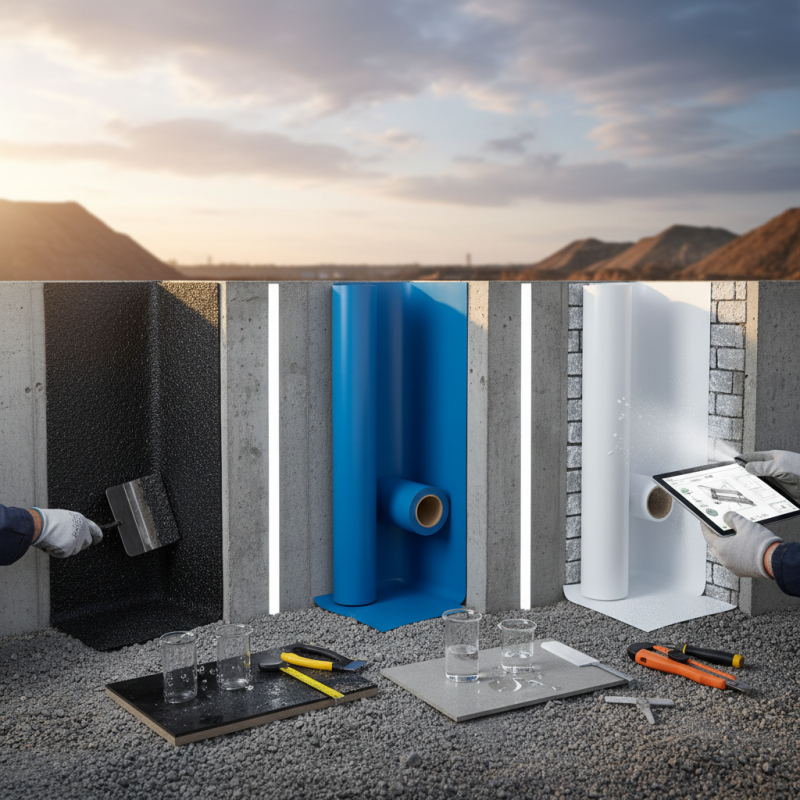
When selecting the right water barrier membrane, understanding the different types available is crucial. Common options include bituminous, polyurethane, and PVC membranes.
Bituminous membranes are often used for roof applications. They are durable and help resist water intrusion effectively.
Polyurethane membranes excel in areas exposed to heavy foot traffic, such as balconies. Their flexibility and strength make them ideal for various projects.
PVC membranes are popular due to their lightweight and versatility. They work well in both commercial and residential applications. This type is commonly used in below-grade waterproofing. Their resistance to chemicals is a bonus for industrial settings. It’s important to consider the specific needs of your project when choosing between these types.
Tip: Always check for compatibility with existing materials. This helps ensure the membrane bonds well and performs as expected. Performing tests on a small area can save time and money in the long run.
Remember, no product is flawless. You may experience issues like seams failing or punctures. Regular inspections can help identify these vulnerabilities early. Adjustments may be required as conditions change over time. By staying proactive, you can maintain the integrity of your installation.
Factors to Consider When Choosing a Water Barrier Membrane
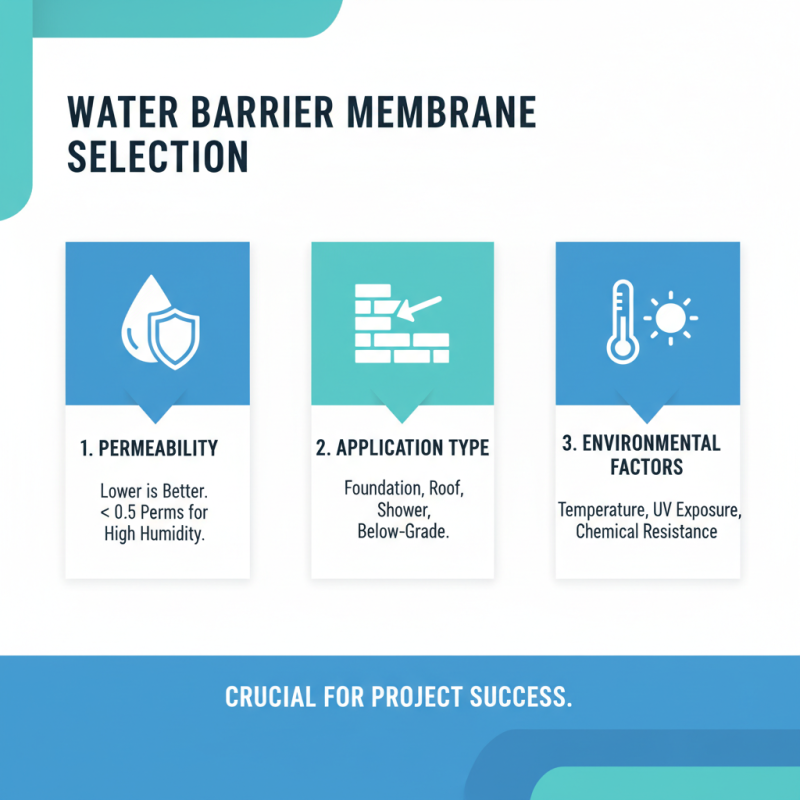
Choosing the right water barrier membrane is crucial for project success. Several factors influence this decision. First, consider the material's permeability. A lower permeability rate can effectively prevent water intrusion. Research shows membranes with a permeance of less than 0.5 perms are ideal for high-humidity areas.
Next, think about installation ease. Some membranes require specialized techniques. Complicated installations can lead to errors. According to a study by the United States Army Corps of Engineers, installation mistakes can increase long-term maintenance costs by up to 30%. Therefore, training and clear guidelines are essential.
Another aspect is durability. Membrane lifespan varies widely. Options range from 10 to over 50 years. This variability makes selecting a lasting product essential. It's also worth noting that environmental conditions will affect durability. UV exposure and temperature changes can reduce a membrane’s effectiveness. Ultimately, choosing the best membrane involves balancing these considerations with your project's unique needs.
Common Installation Techniques for Water Barrier Membranes
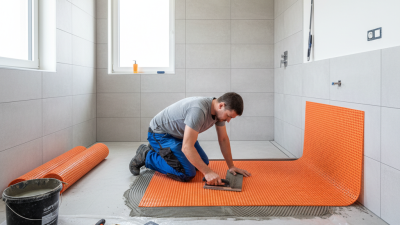
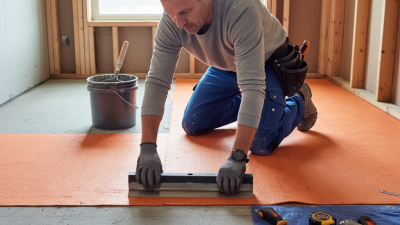
When installing water barrier membranes, proper techniques are crucial for long-lasting protection. First, assess the surface conditions thoroughly. The substrate must be clean and dry. A clean surface ensures better adhesion. Inaccurate assessments can lead to failures.
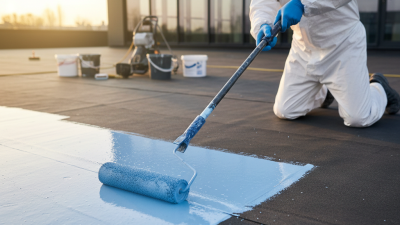
Application techniques vary based on the membrane type. Many professionals prefer a roll-on method for liquid membranes. This technique allows for a seamless application, reducing the risk of leaks. Reports indicate that applying membranes at the right thickness can increase durability. However, some installers overlook this detail, which can lead to premature failures. The industry standard suggests a minimum thickness of 20 mils for optimal performance.
Adhesives play a significant role as well. Choosing the wrong adhesive can compromise the membrane's integrity. In some cases, installers underestimate the environmental factors that affect adhesion. This oversight can result in bubbles or lifting. Data shows that nearly 30% of membrane failures are related to improper adhesion. Understanding these common pitfalls is essential for any project.