



When embarking on a flooring project, selecting the right materials is critical to ensure durability and longevity. One of the most essential components in this process is the "crack isolation membrane." According to a recent industry report by the National Tile Contractors Association, approximately 90% of flooring failures can be traced back to subfloor cracks. This alarming statistic underscores the importance of investing in a high-quality crack isolation membrane, which serves as a protective layer, preventing the transfer of cracks from the substrate to the finished floor.
Industry expert, Dr. Samuel Hargrove, a leading authority in flooring technology, states, "The choice of an appropriate crack isolation membrane can significantly enhance the performance and lifespan of flooring installations." Dr. Hargrove's insights highlight the necessity of understanding the various types of membranes available, as different projects may demand specific features such as flexibility, thickness, and water resistance. Therefore, when choosing a crack isolation membrane for your flooring project, factors like the environment, substrate conditions, and installation methodology should guide your decision to preserve the integrity of your flooring investment.
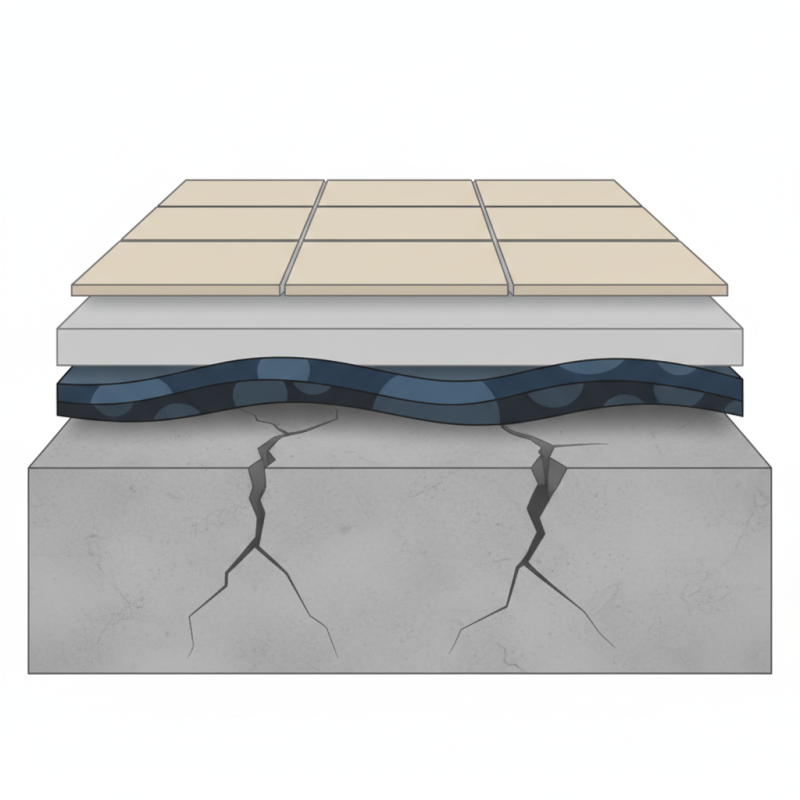
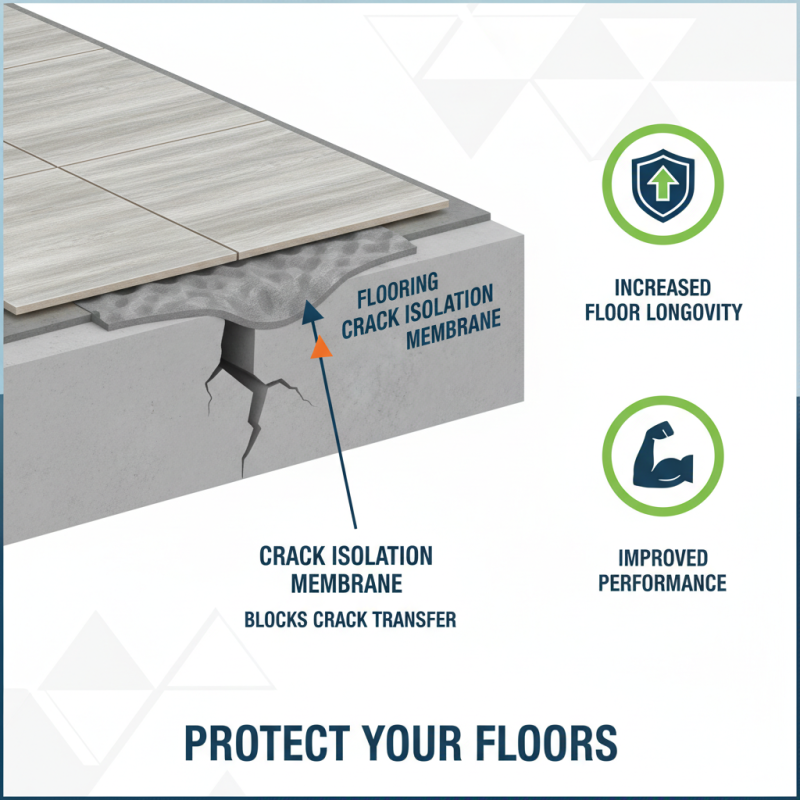
Crack isolation membranes play a crucial role in the longevity and performance of flooring installations. Essentially, these membranes are designed to prevent cracks in the substrate from transferring to the flooring surface. The need for such a barrier arises from the natural movement and settlement that buildings experience over time, particularly in areas with expansive soils or fluctuating temperatures. By acting as a buffer, crack isolation membranes provide a necessary layer of protection that can help maintain the aesthetic and functional integrity of the flooring.
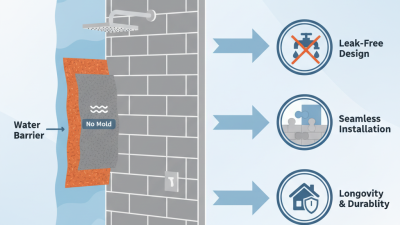
Beyond just protecting against cracks, these membranes also contribute to overall flooring performance by enhancing moisture resistance and sound insulation. This is especially important in commercial settings or high-traffic residential areas where foot traffic and potential moisture intrusion can pose serious issues. Selecting the right crack isolation membrane involves considering factors such as the type of flooring being installed, the expected amount of movement in the substrate, and the environmental conditions of the installation site. Understanding these factors is essential for ensuring that the chosen membrane effectively fulfills its purpose and extends the life of the flooring system.




Copyright © CUSTOM Building Products 2025
Products | Resources | Interactive Tools | Warranties | Privacy Policy | Terms of Use | Technical Training
