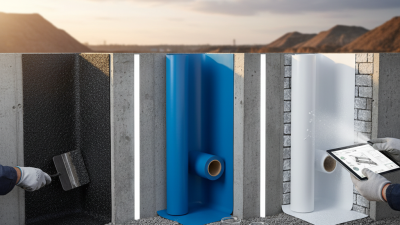
Why Choose a Water Barrier Membrane for Your Projects?
In modern construction, the choice of materials is crucial for project success. A water barrier membrane has become essential for many builders. According to the Global Waterproofing Membrane Market report, the industry is expected to reach $45 billion by 2025, driven by rising awareness of moisture control.
Water barrier membranes protect structures from water damage, mold, and mildew. The National Roofing Contractors Association emphasizes that 60% of roofing failures result from inadequate moisture management. Choosing the right membrane can ensure durability and longevity for buildings, enhancing their structural integrity.
However, not all membranes are created equal. Some may not provide adequate resistance, leading to costly repairs. It's important to evaluate different products based on their performance and durability. Making an informed choice about water barrier membranes can significantly impact a project's overall success.
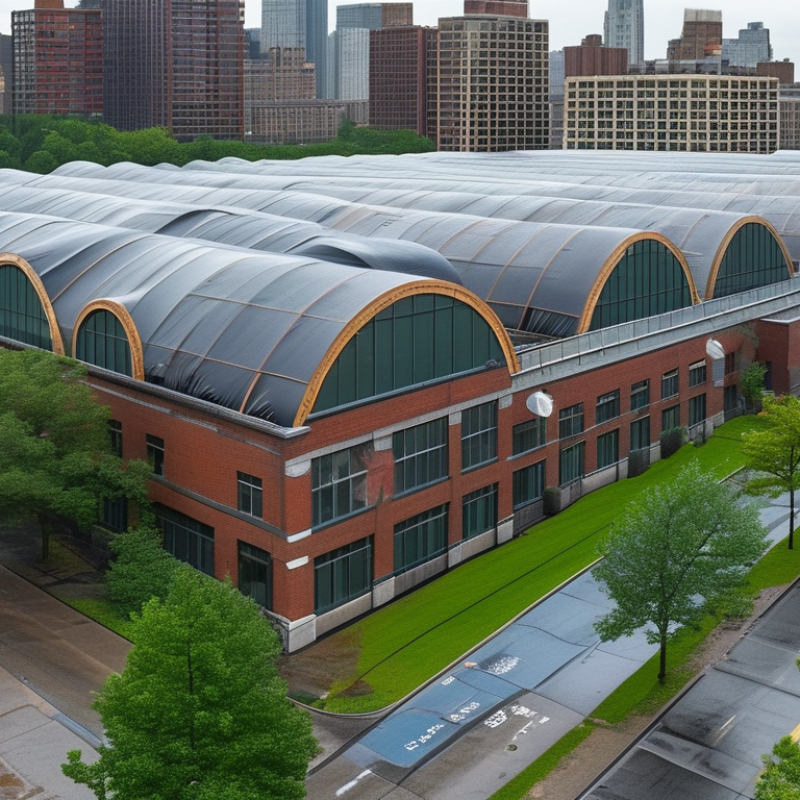
Benefits of Using Water Barrier Membranes in Construction Projects
Water barrier membranes are becoming essential in modern construction projects. These membranes provide crucial protection against moisture intrusion. According to industry reports, nearly 30% of construction defects are related to water damage. This statistic highlights the need for effective water management solutions.
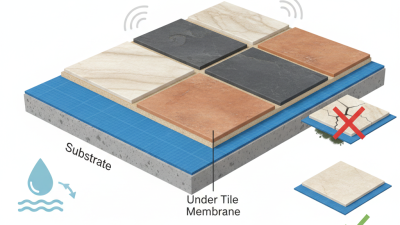
Using water barrier membranes can dramatically reduce these risks. They create a protective layer that prevents water seepage into structures. This can lead to significant cost savings, as repairs due to water damage can be highly expensive. Research indicates that proper waterproofing can increase the lifespan of buildings by up to 25%. Moreover, these membranes also enhance indoor air quality by preventing mold growth.
While the advantages are clear, some challenges remain. Not all membranes are created equal, and selecting the right type can be complex. Moreover, installation requires skilled labor to ensure effectiveness. A poor installation can compromise the benefits. It’s crucial for project managers to invest time and resources into understanding the best options for their specific needs. Engaging with professionals can lead to better decision-making.
Why Choose a Water Barrier Membrane for Your Projects? - Benefits of Using Water Barrier Membranes in Construction Projects
| Feature |
Description |
Benefits |
| Moisture Control |
Helps prevent moisture ingress in structures. |
Reduces the risk of mold and mildew growth. |
| Durability |
Withstands extreme weather conditions and UV exposure. |
Increases the lifespan of construction materials. |
| Ease of Installation |
Can be easily applied to various surfaces. |
Saves time and labor costs on construction projects. |
| Energy Efficiency |
Provides insulation properties enhancing thermal performance. |
Reduces energy costs for heating and cooling. |
| Cost-Effective |
Less expensive than traditional waterproofing methods. |
Offers a great return on investment by preventing damage. |
Types of Water Barrier Membranes and Their Applications
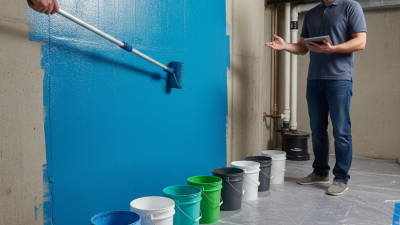
Water barrier membranes play a crucial role in construction and renovation projects. They provide effective solutions to prevent water intrusion. Various types of membranes exist, each with specific applications.
Polyethylene membranes are often used in residential basements. They resist moisture effectively. A report by the American Society of Civil Engineers states that water damage accounts for over 30% of construction defects. This statistic highlights the importance of proper moisture management.
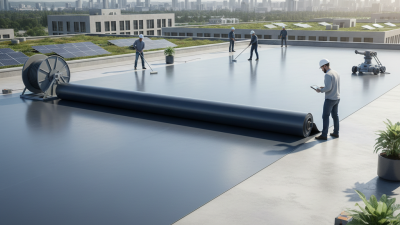
Another common type is bituminous membranes, often used in roofing. They are durable and resist environmental impacts well. A study revealed that using water barrier membranes can extend the lifespan of a structure by more than 20%.
Tip: Always consider local climate conditions when choosing a membrane type. Not all membranes suit every environment. Pay attention to installation methods for optimum performance. Proper application is key to effectiveness and reliability.
Key Factors to Consider When Selecting a Water Barrier Membrane
When selecting a water barrier membrane, several critical factors deserve careful consideration.
Material choice plays a significant role in determining effectiveness. Various membranes are available, including
polyethylene, PVC, and rubber. According to industry reports, the life expectancy of these
membranes can vary widely, with some materials lasting 10-20 years under
ideal conditions. Not all membranes hold up against environmental stressors like UV exposure and temperature
fluctuations.
Installation ease impacts both time and cost. Some membranes come with adhesive backing, while others require
additional tools and expertise. This can affect project timelines and budgets significantly. Integrating proper
installation practices is crucial. Poor installation can lead to leaks, negating the purpose of the membrane.
Research indicates that improperly installed membranes can reduce efficacy
by as much as 50%.
Performance characteristics, such as permeability and tensile strength, are also
pivotal in making a decision. A membrane with high water vapor permeability may not be suitable for all
applications. According to the International Society for Soil Mechanics, water barrier membranes with
low permeability rates can prevent water damage, but effectiveness declines when faced with extreme moisture levels.
Therefore, analyzing specific project needs is essential for optimal results.
Installation Best Practices for Water Barrier Membranes
Water barrier membranes play a crucial role in waterproofing projects, but proper installation is vital for their effectiveness. According to studies, improperly installed membranes can lead to moisture intrusion, resulting in costly repairs. A report from the Building Research Institute found that up to 30% of building failures are due to water-related issues. Therefore, understanding installation best practices is essential.
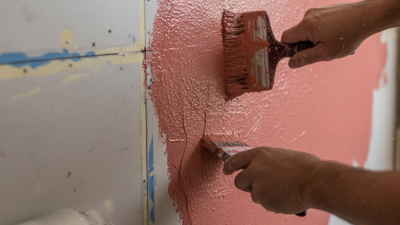
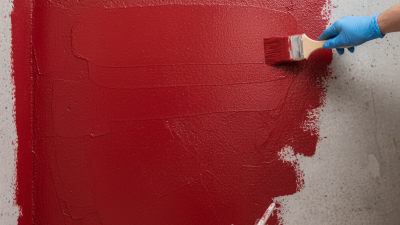
When installing a water barrier membrane, proper surface preparation is key. The surface must be clean, dry, and free of contaminants. Even small debris can compromise the membrane's integrity. Furthermore, seams should be overlapped according to the manufacturer’s guidelines. This prevents weak spots that could allow leaks. Professionals recommend employing a minimum overlap of 6 inches to ensure a sound seal.
Additionally, using the right tools and techniques can enhance the membrane's performance. Pressure rollers help eliminate air bubbles during application. Properly sealing around penetrations, like pipes and vents, is critical. A study revealed that 40% of water leaks occur at these junctions, underscoring the need for meticulous detail. Remaining vigilant about these installation practices will significantly improve the longevity of the water barrier membrane.
Long-term Performance and Maintenance of Water Barrier Membranes
Water barrier membranes are essential for many construction projects. Their long-term performance can significantly impact overall project success. Data shows that over 30% of structural failures relate to water intrusion. This highlights the importance of selecting the right membrane.
Maintenance of these membranes is often overlooked. Regular inspections can detect potential issues early. Industry reports indicate that facilities applying scheduled maintenance can extend lifespan by up to 20%. Cost-effective practices protect against costly repairs and enhance durability. Choosing a membrane with proven performance statistics ensures reliability over time.
Innovative materials are now available, but not all membranes are created equal. Some may degrade faster than expected. Case studies reveal that even high-end membranes can fail when improperly installed. This reinforces the need for professional installation and regular monitoring. A strategic approach to maintenance and selection can lead to better overall outcomes in construction projects.