Why Should You Choose Swing Valves for Your Projects?
Swing Valves are gaining attention in various industries for their unique benefits. These valves offer reliability in managing fluid flow. One of their key features is the ability to prevent backflow effectively. This makes them suitable for applications where pressure and safety are critical.
When choosing valves, it's essential to consider the specifics of your project. Swing Valves often outperform traditional designs in terms of durability. Their robust construction allows them to withstand high pressure and temperature variations. However, selecting the right type is crucial. Not every project requires a Swing Valve, so evaluating your needs is necessary.
Understanding the technical specifications and operational dynamics of Swing Valves can enhance project outcomes. They're recognized for their efficiency and energy-saving potential. Companies that prioritize these factors can lead in their sectors. Yet, it’s important to assess if these advantages align with your objectives. Balancing performance and efficiency should always be a priority in any project.
Understanding Swing Valves: Definition and Functionality
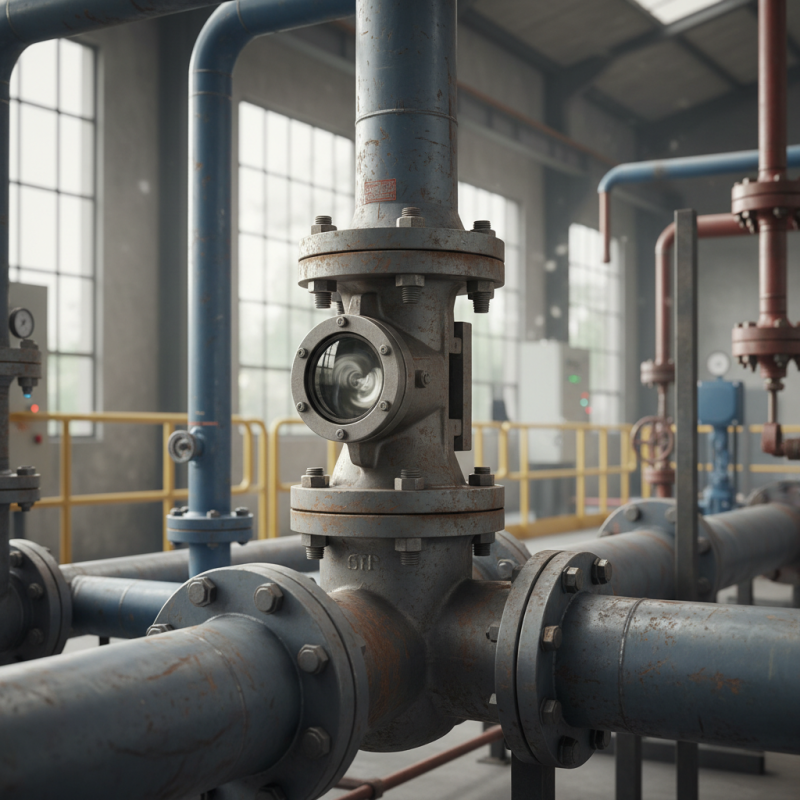
Swing valves play a critical role in various piping systems. Understanding their definition and functionality is essential for any project. These valves are designed to control fluid flow, allowing it to move in one direction. They achieve this through a disc that swings open and close. When the flow pressure is applied, the disc lifts, permitting fluid to pass. When the pressure decreases, the disc falls back into place, sealing the flow.
The primary advantage of swing valves is their simple design, which reduces maintenance needs. They are generally more reliable in high-pressure environments. Additionally, they handle larger flow rates efficiently. However, it's important to consider their limitations. They may not be suitable for all types of fluids. For instance, viscous fluids can impede the disc motion. This issue could lead to improper sealing. Understanding these aspects allows better decision-making when selecting a valve type for specific applications.
In some instances, installing swing valves can be challenging due to space constraints. Their operation depends significantly on gravity, making installation angles crucial. It’s essential to analyze your project’s layout thoroughly. Sometimes, engineers overlook these factors, leading to potential inefficiencies. Recognizing both advantages and limitations can enhance project outcomes. By employing the right valve, you ensure smoother operations in your system.
Why Choose Swing Valves? - Functionality and Benefits
Key Advantages of Using Swing Valves in Various Applications
Swing valves are increasingly favored in various industrial applications due to their distinct advantages. These valves provide bidirectional flow capabilities, making them versatile for numerous systems. According to a recent industry report by the International Valves Association, swing valves account for over 30% of the global valve market, underscoring their growing popularity.
One key advantage of swing valves is their ability to handle significant pressure differentials. They are designed to minimize turbulence, ensuring smooth flow. This is crucial in industries like oil and gas, where maintaining pressure is vital. Studies indicate that using swing valves can improve operational efficiency by up to 25%. Their robust design also enhances durability, reducing the frequency of replacements and maintenance.
Despite their many benefits, swing valves may not be suitable for all conditions. They can struggle with fine-tuning in low flow situations. This can lead to inefficiencies in smaller pipelines. Therefore, careful consideration of application requirements is essential. Understanding the specific needs of a project will guide the choice between swing valves and other alternatives.
Comparative Analysis: Swing Valves vs. Other Valve Types
Swing valves are gaining attention for various applications in piping systems. They function efficiently in specific situations where backflow prevention is essential. Unlike gate or globe valves, swing valves have a unique hinge mechanism. This design allows for quicker and smoother operation, especially in high-volume flow scenarios.
When comparing swing valves to other types, consider the pressure drop they create. Swing valves generally offer a lower pressure drop compared to globe valves. This can lead to energy savings in your system. However, they may require more space due to their hinge offset. Remember, the installation space can significantly impact your project layout.
**Tips:** Always evaluate your project requirements. Measure the available space for valve installation before making a decision. Consider the nature of the fluid. Some media may not be suitable for swing valves due to the risk of sediment build-up. Consult with experts for specific advice tailored to your project needs.
Installation and Maintenance Considerations for Swing Valves
When installing swing valves, proper alignment is crucial. Misalignment can lead to leaks and operational failures. Ensure that the pipes are straight and properly supported before installation. This preparation helps in achieving a seamless function. Checking the valve's hinge and seat for debris is also essential. A clean installation area prevents excessive wear and tear.
Regular maintenance is another vital aspect. After installation, inspect the swing valve frequently for any signs of erosion or build-up. Early detection of issues makes repairs easier and less expensive. Perform regular cleaning and lubrication as advised. In some cases, the valve may need to be disassembled for thorough inspection. It’s essential to approach these tasks methodically to avoid mistakes. Routine checks ensure the longevity of swing valves and minimize costly downtime.
Training your team on the specific maintenance requirements of swing valves can enhance overall effectiveness. Lack of proper training may lead to oversights, which can compromise safety. Engaging in continuous education about swing valve systems can help teams recognize potential pitfalls. By being informed, you enhance reliability and performance in your projects.
Real-world Applications: Where Swing Valves Excel
Swing valves are increasingly recognized for their efficiency in various industrial applications. These valves excel in systems requiring tight sealing and reliable operation. According to a recent industry report, swing valves can improve flow efficiency by up to 20% compared to traditional valve designs. This efficiency makes them ideal for water treatment facilities, where minimizing leakage and maximizing flow are critical.
In the oil and gas sector, swing valves are indispensable. Their robust design ensures they perform well under high pressure. A study found that using swing valves reduced maintenance costs by 15% due to their lower failure rates. These valves also excel in steam applications, where their quick response prevents costly downtime. However, improper installation can undermine their advantages, leading to performance issues. Regular inspections and adherence to guidelines are crucial for optimal operation.
While the benefits are clear, challenges remain. Users must consider factors like temperature variations and medium type. Research indicates that a staggering 30% of valve failures arise from external factors. This highlights the need for careful application analysis. A proactive approach in installation and monitoring helps mitigate these risks. The choice of swing valves can indeed be advantageous, provided that one takes a thoughtful, informed approach.