



China’s fire door manufacturing sector serves residential towers, hospitals, factories, hotels, and public infrastructure. Selecting among the top ten manufacturers requires more than comparing catalog prices. A reliable Fire Door Quotation should identify the door rating, core material, frame specification, hardware, finish, testing standard, quantity, packaging, and delivery terms.
The demand is linked to serious fire risks. The National Fire Protection Association reported 1.5 million fires in the United States during 2022. Its research also recorded 3,790 civilian fire deaths. These figures underline why fire doors must be treated as life-safety assemblies. China’s GB 12955 standard, together with project-specific requirements, can affect testing, labeling, installation, and inspection. International buyers may also request EN 1634-1 or UL-related evidence. Requirements are not interchangeable.
Lori Greene, an architectural openings consultant and fire-door specialist, often explains the practical issue clearly: “A fire door is a system, not just a door.” That principle matters during quotation review. A cheaper leaf may conceal unsuitable hinges, weak seals, incomplete certification, or poor frame alignment. Ask for test reports, product drawings, factory photographs, and a line-by-line cost breakdown. Request samples when the project is sensitive. Touch the steel edge. Check the intumescent seal. Small details can change the final price.
Reports from NFPA and international fire-safety bodies provide useful risk context, but supplier claims still require verification. Some quotations look complete. They are not. Buyers should compare manufacturing experience, quality controls, export records, warranty terms, and response time. A thoughtful quotation may cost more initially. It can reduce delays, replacement orders, and installation failures. That is often the part buyers discover too late.
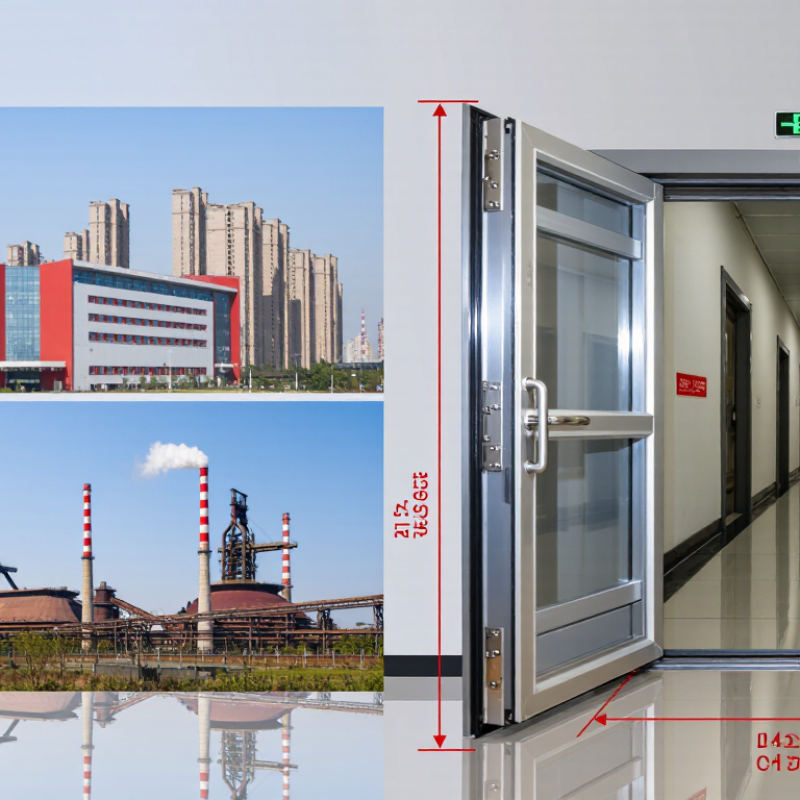
Fire doors are engineered barriers that slow fire, smoke, and heat from moving between building areas. They usually include a fire-rated leaf, frame, hinges, closer, seals, and tested hardware. When properly installed, the door supports evacuation and protects valuable equipment.
Chinese manufacturers attract international buyers through broad production capacity, material access, and competitive quotation options. Many factories can produce steel, timber, or glazed fire doors for apartments, hospitals, warehouses, and commercial buildings. Experienced suppliers should explain rating periods, core materials, glass specifications, surface finishes, and installation limits in clear language.
Ask for a quotation based on drawings, opening sizes, quantity, delivery terms, and required certification. A reliable factory should provide recent test evidence, quality-control records, product photos, and a sample for inspection.
Check whether the report matches the proposed door, not merely a similar model. This detail is easy to miss.
Factory visits can reveal welding quality, gasket storage, assembly accuracy, and packaging methods. Request batch identification and a written inspection plan. Price alone can mislead. A low quotation may exclude hardware, export packing, testing, or installation guidance.
Chinese manufacturers can be capable partners, but communication gaps remain possible. I would verify every technical assumption before placing an order. Some doors look impressive in a showroom, yet small fitting errors can reduce real performance.



Copyright © CUSTOM Building Products 2025
Products | Resources | Interactive Tools | Warranties | Privacy Policy | Terms of Use | Technical Training
