



China’s antique glass industry combines traditional decoration with modern fabrication. This guide examines China’s top 10 Antique Stained Glass Panels suppliers for buyers seeking character, consistency, and dependable service. Each company should be considered through clear, practical criteria.
Our review focuses on design experience, glass quality, customization, production capacity, and export communication. We also consider how suppliers handle color matching, leaded joints, protective backing, packaging, and replacement requests. A well-made panel should show balanced texture, secure came lines, and colors that remain attractive under changing light. Small details matter.
The selected suppliers may serve residential, hospitality, religious, and heritage-inspired projects. Some specialize in hand-painted motifs, while others combine antique-style glass with contemporary safety requirements. Product photographs can be helpful. They are not enough. Buyers should request material samples, close-up videos, factory information, and written specifications before placing an order.
Experience still matters. Ask how the supplier manages curved frames, irregular dimensions, and delicate shipping conditions. Confirm production schedules and clarify whether installation guidance is included. Regional standards and project requirements may differ, so independent verification remains important. No supplier is perfect. Even a highly experienced workshop may face color variation or delayed replacement parts. That limitation deserves honest attention.
This overview is designed as a practical starting point, not a final purchasing decision. Readers should compare quotations, inspect samples, and communicate their expectations in writing. Careful evaluation can reveal which Chinese supplier best matches the panel’s artistic style, technical needs, budget, and long-term use.
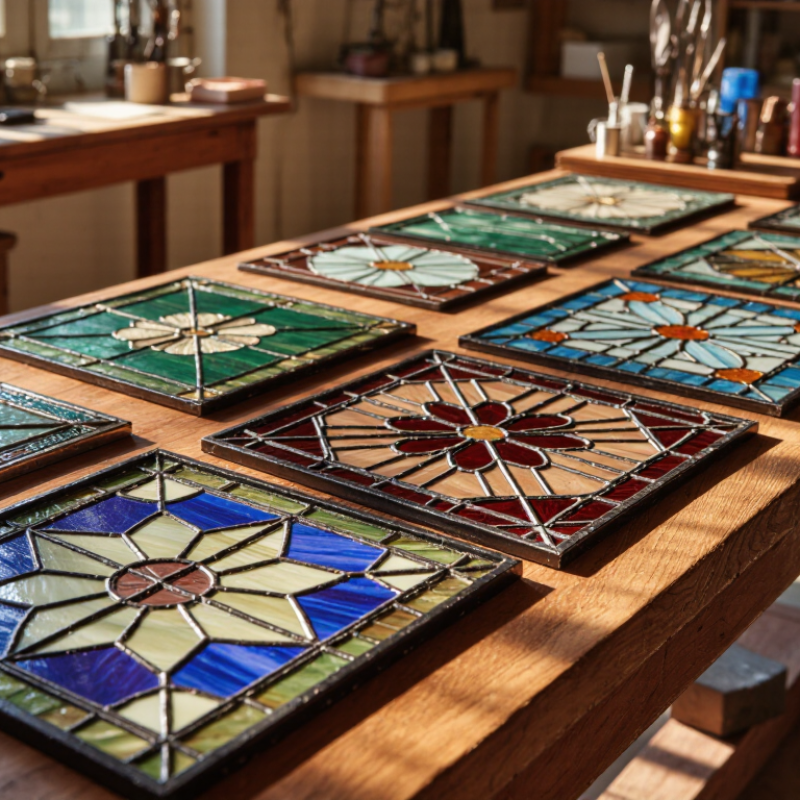
What Defines an Antique Stained Glass Panel Supplier in China
A qualified antique stained glass panel supplier offers more than attractive colors and decorative patterns. In practice, reliable suppliers explain whether each panel is genuinely antique, carefully restored, or newly made in an antique style. This distinction protects buyers from unclear descriptions. They should provide photographs of glass textures, solder lines, frame joints, and visible age marks. Small differences matter.
Professional suppliers understand traditional glassmaking and conservation methods. They can discuss hand-cut edges, lead came construction, surface oxidation, and safe cleaning limits. Some also work with skilled restorers who preserve original sections instead of replacing everything. Ask for condition reports, dimensions, weight, and close-up images. These details help architects and collectors plan installation safely. Experience shows that old panels may contain uneven surfaces, fragile joints, or previous repairs.
Documentation also defines a dependable supplier. Clear invoices, packing records, material details, and export paperwork support responsible trade. Strong suppliers use rigid crates, protective layers, and moisture control during shipping. Still, no supplier gets every detail right. A photograph may hide a repaired corner. A color sample may change under different light. That honesty matters. Buyers should request independent inspection when value or historical claims seem uncertain. The best working relationship allows questions, admits limitations, and records each decision before production or delivery.



Copyright © CUSTOM Building Products 2025
Products | Resources | Interactive Tools | Warranties | Privacy Policy | Terms of Use | Technical Training
