


Choosing the China Best Acrylic Oligomer Supplier? The answer depends on more than price or a polished product catalog. Acrylic Oligomer grades differ in viscosity, reactivity, adhesion, flexibility, and compatibility with other formulation components. Small differences can show up clearly on a coated panel: uneven flow, poor bonding, or a surface that feels too brittle.
Charles E. Hoyle is a recognized researcher in UV-curable materials. I cannot verify a direct quotation from him about choosing Chinese suppliers, so I will not present invented words as his. A practical editorial principle for this guide is: “Match the oligomer to the process, not just the price.” It is a useful starting point, not a substitute for testing.
A reliable supplier should provide current technical data, consistent batch documentation, and clear answers about recommended processing conditions. Ask how the grade performs in your intended resin system, and request a sample for evaluation. Check cure response, viscosity, film appearance, and adhesion under your own conditions. Details matter.
Not every supplier will be the right fit. A low-cost sample may perform well, yet later batches can raise questions about consistency or communication. That deserves scrutiny. This guide examines how to compare Chinese Acrylic Oligomer suppliers through product evidence, technical support, quality practices, and realistic sample trials—while recognizing that no supplier can be judged from a brochure alone.
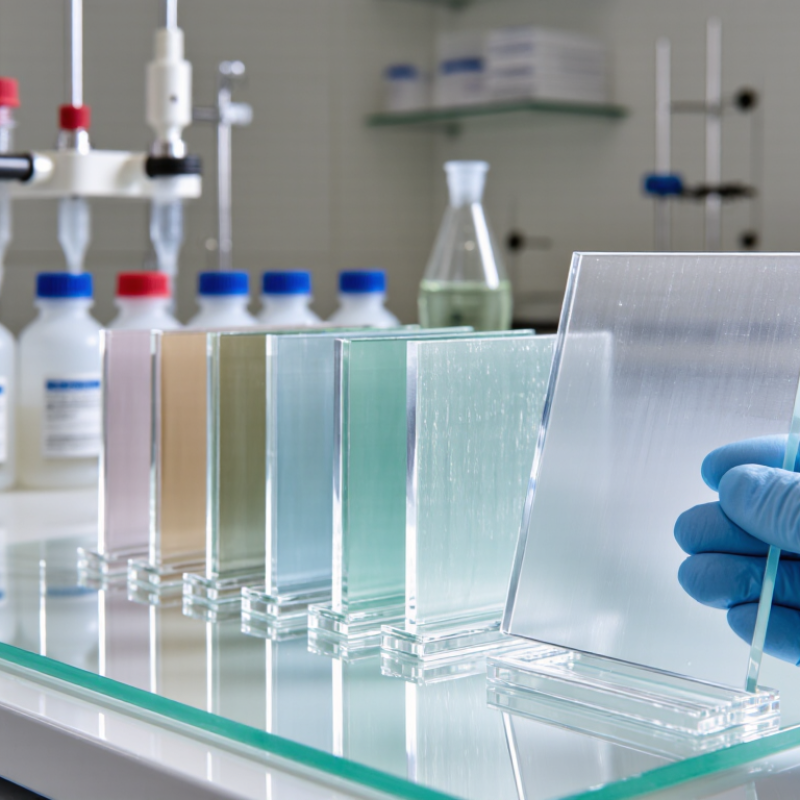
Acrylic oligomers are short-chain resin molecules with reactive acrylate groups. They sit between small monomers and finished polymers. Small molecules? Not quite. Under ultraviolet or electron-beam exposure, suitable formulations form crosslinked films. This chemistry helps coatings, printing inks, adhesives, and some additive-manufacturing resins cure quickly. The oligomer’s backbone and functionality influence hardness, flexibility, adhesion, and chemical resistance. A urethane acrylate may offer toughness, while an epoxy acrylate can provide hardness and gloss. These are tendencies, not guarantees.
Use depends on the job and the full formulation. A clear coating on a plastic panel may need flexibility and strong adhesion; an ink on paper may prioritize fast curing and sharp detail. Viscosity matters too: a highly viscous oligomer can be difficult to mix or apply, even when its cured film performs well. It depends. In formulation work, small changes in oligomer content can alter cure speed, shrinkage, and surface feel. That is why testing on the actual substrate matters. Check technical data for viscosity, functionality, and recommended exposure conditions, then verify performance with a controlled trial. Handle uncured materials carefully, using suitable gloves and ventilation, since some acrylate ingredients may irritate or sensitize skin. Fast curing alone does not make a good coating.



Copyright © CUSTOM Building Products 2025
Products | Resources | Interactive Tools | Warranties | Privacy Policy | Terms of Use | Technical Training
