What is the Best Paintable Waterproof Membrane for 2026?
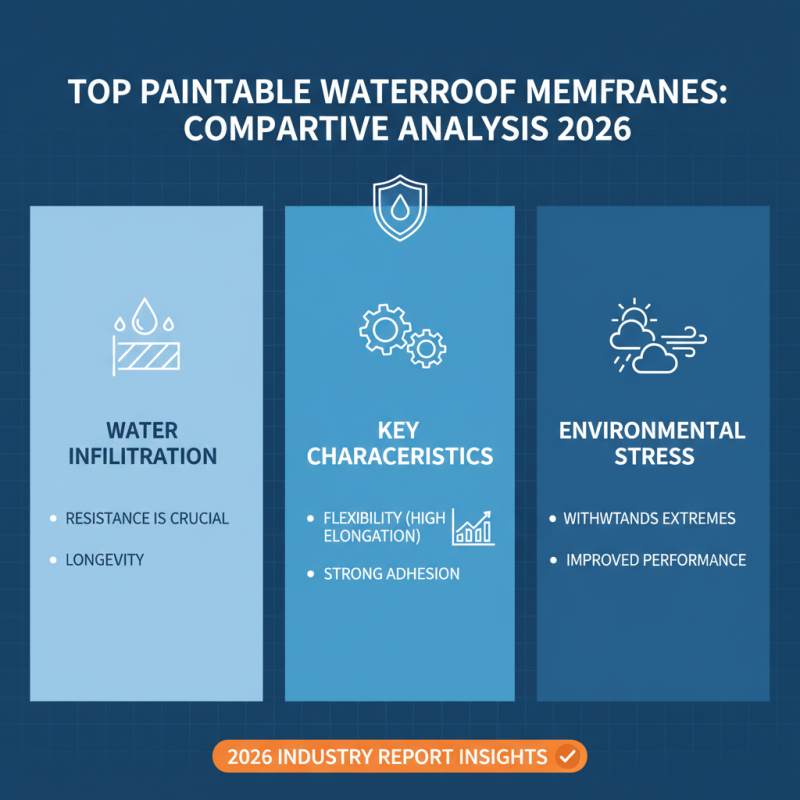
As the construction industry evolves, the demand for effective waterproofing solutions rises. In 2026, the focus on paintable waterproof membranes is critical for builders and homeowners. These membranes not only provide protection from moisture but also allow for aesthetic flexibility. According to industry reports, the market for waterproofing membranes is projected to reach $16 billion by 2026, emphasizing the need for high-quality products.
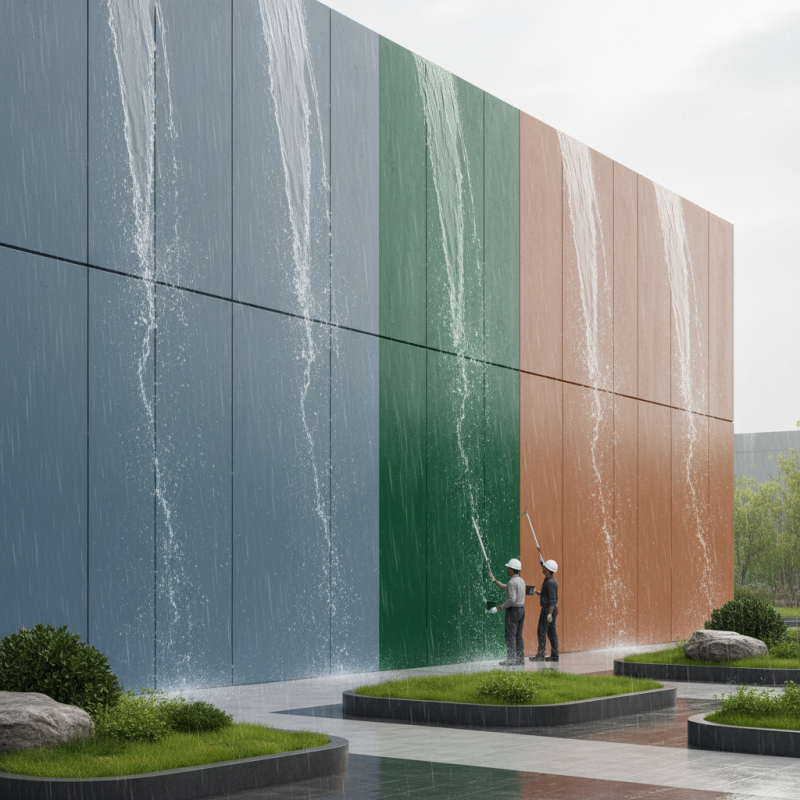
Paintable waterproof membranes stand out for their dual functionality. They form a barrier against water and offer a surface that can be painted to match any design scheme. Recent surveys indicate that 70% of homeowners prefer products that combine functionality with aesthetics. However, not all paintable membranes perform equally. Some may require meticulous application techniques to ensure effectiveness. Feedback from contractors highlights that while some brands excel in durability, they may struggle with paint adhesion.
Choosing the right paintable waterproof membrane means considering both its protective capabilities and ease of application. Professionals warn that some options on the market can compromise on quality. Rigorous testing is essential to ensure that the selected membrane meets industry standards. The best products will not only satisfy waterproofing needs but also enhance visual appeal. As 2026 approaches, staying informed about product advancements is necessary for making the best selection.
What to Look for in a Waterproof Membrane for Enhanced Durability
When considering a waterproof membrane for enhanced durability, several factors come into play. Look for membranes with high tensile strength. This indicates resistance to tearing and puncturing. A recent industry report highlights that membranes with tensile strengths exceeding 300 N/mm are ideal for harsh environments. Such materials help avert costly repairs and replacements.
Additionally, evaluate flexibility and elongation properties. Membranes that can stretch without breaking are crucial, especially in fluctuating temperatures. A good waterproof membrane should have an elongation capacity of at least 200%. This allows it to move with the substrate and resist cracking. Data suggests that improved flexibility reduces the likelihood of leaks, which is a common failure point.
Consider the installation process as well. A membrane that adheres easily and cures quickly can save time and labor costs. Reports indicate an increase in efficiency by 30% when using membranes that bond well to various substrates. Ease of application is often overlooked but impacts long-term performance. Sometimes choices made for convenience can lead to underperformance.
What is the Best Paintable Waterproof Membrane for 2026? - What to Look for in a Waterproof Membrane for Enhanced Durability
| Feature |
Description |
Rating (out of 5) |
| Elasticity |
Ability to stretch and accommodate movement without cracking. |
4.8 |
| Water Resistance |
Prevents water from penetrating the membrane. |
4.9 |
| Compatibility with Paints |
Can be painted over with various types of coatings. |
4.7 |
| UV Resistance |
Resists degradation from sun exposure. |
4.5 |
| Ease of Application |
Simple application process with minimal equipment required. |
4.6 |
| Durability |
Long-lasting protection under various environmental conditions. |
4.8 |
Industry Standards: Evaluating ASTM and ISO Ratings in Membrane Quality
When evaluating paintable waterproof membranes, industry standards are crucial. Specifically, ASTM and ISO ratings provide benchmarks. These standards assess durability, water resistance, and ease of application. A membrane with high ASTM performance ratings indicates robustness. Your choice should also include an examination of ISO certifications.
Manufacturers use various testing methods to ensure compliance. Each test reveals different aspects of a membrane's quality. For instance, some focus on adhesion properties, while others examine UV stability. It’s essential to dig deeper than surface-level claims. Not all membranes that look promising will perform under real-world conditions. Reviewing third-party analysis can give insights.
Transparency in testing results builds trust. Ask for data showing how a membrane was rated. Understanding these evaluations can help you select a reliable product. Membrane quality influences overall project success. A poorly chosen membrane can lead to water damage and increased costs over time. Always weigh your options carefully.
Cost-Effectiveness of Paintable Waterproof Membranes: An Economic View
In recent years, the demand for paintable waterproof membranes has surged, driven by various factors. Cost-effectiveness remains a primary concern for consumers and contractors alike. According to a 2023 report from the Building Materials Research Institute, the average cost for high-quality waterproof membranes ranges from $1.50 to $3.00 per square foot, depending on their properties and effectiveness. This investment often yields a significant return, given the potential for damage caused by water infiltration.
It's crucial to consider the longevity and durability of these membranes. Many users overlook installation costs, which can add 15-20% to the total budget. A poorly installed membrane can lead to failures, necessitating expensive repairs shortly after application. While some membranes boast impressive reports of durability exceeding 20 years, real-world case studies indicate that environmental factors can drastically impact performance.
Moreover, the balance between cost, effectiveness, and environmental impact raises questions. A waterproof membrane may promise a lower initial cost but could perform poorly under specific conditions, leading to higher long-term expenses. Evaluating materials is essential. Some producers may market products as eco-friendly, but limited data backs these claims. Awareness and firsthand knowledge are vital when it comes to choosing the right membrane for your project. Not all products deliver as expected, and discernment is crucial.
Future Trends: Innovations in Waterproof Membrane Technology by 2026
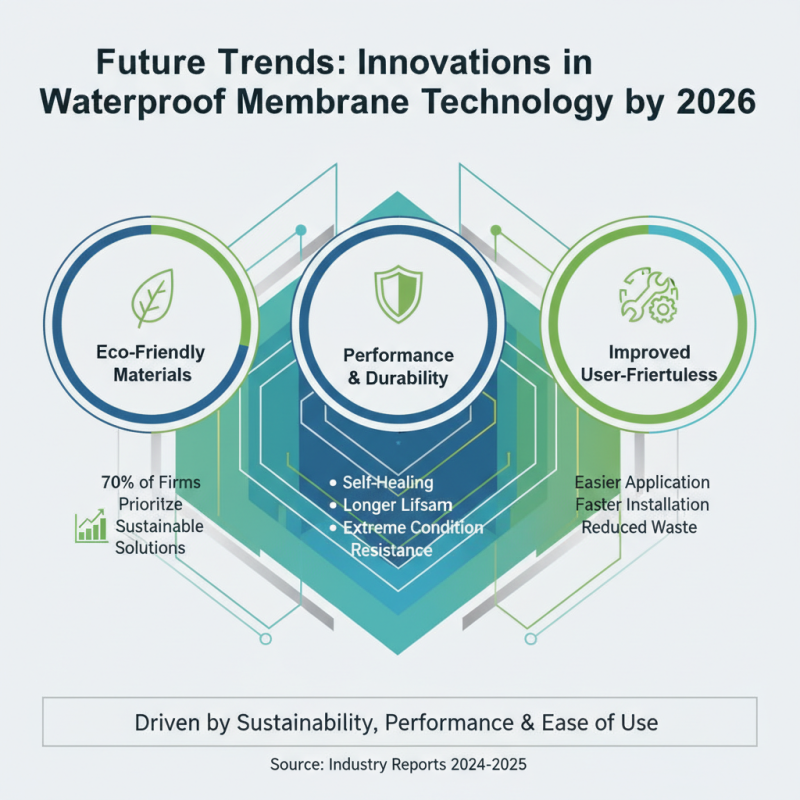
As we look towards 2026, waterproof membrane technology is evolving rapidly. Innovations are crucial for sustainability, performance, and user-friendliness. Recent reports predict a rise in the demand for eco-friendly materials. Research indicates that 70% of construction firms prioritize environmentally sustainable solutions in their projects.
The focus on improving adhesion and flexibility of membranes surfaces as a key trend. A notable study shows that advanced formulations can allow membranes to stretch up to 300% of their original size without compromising integrity. This development responds to the complexities of modern architecture, where every detail matters.
Moreover, membranes with self-healing properties are gaining traction. These materials can automatically repair minor punctures, enhancing durability. However, there are concerns regarding long-term effectiveness. Continued research is necessary to understand their lifecycle impact fully. As the industry progresses, the challenge remains: how sustainable and reliable can these innovations truly be?