



Choosing the right Lockout Padlock can prevent a small maintenance task from becoming a serious workplace incident. In factories, details matter. A greasy glove can slip from a tiny shackle. A faded label can confuse a busy technician. A weak body may crack under impact, heat, or chemical exposure.
Dr. David Michaels, a recognized occupational safety authority, has said, “The most effective way to prevent injuries and illnesses is to eliminate hazards and control risks before they occur.” That principle guides this review of the 10 Best Lockout Padlocks for Industrial Safety. Each option deserves attention for its body strength, shackle clearance, key control, color visibility, labeling space, and resistance to harsh environments.
A good padlock is not merely red plastic around a metal mechanism. It should fit the facility’s lockout procedure and remain identifiable after months of use. Some models perform well in cold rooms. Others suit dusty workshops, electrical cabinets, or chemical-processing areas. Not every lock fits every site. That is easy to overlook.
This guide compares practical features rather than relying only on product claims. It considers how locks feel in real maintenance conditions, including crowded hasps, oily hands, and limited visibility. Still, no ranking replaces a documented hazard assessment or worker training. That limitation matters. The best Lockout Padlock is the one employees can identify, operate, and trust during every authorized energy-isolation task.
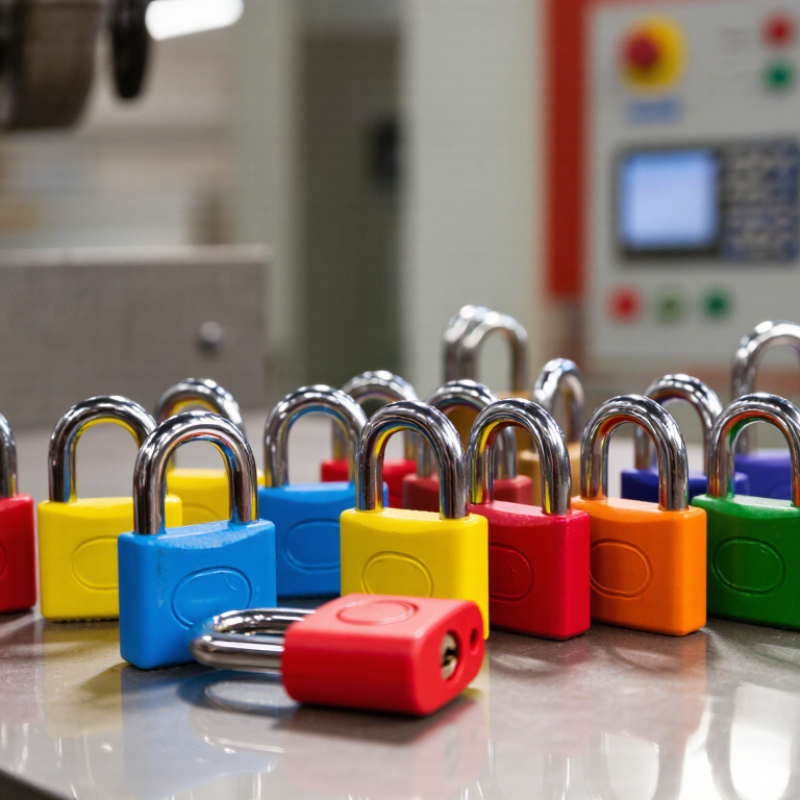
A lockout padlock is suitable for industrial safety when it supports a clear, repeatable isolation process. In practice, that starts with visibility. Bright, durable colors help workers identify energy-control devices across a noisy plant. The body should resist impact, moisture, oils, and routine chemical exposure. A shackle with adequate clearance must fit valves, disconnects, and breaker hasps without forcing the lock. It should also withstand the site’s temperature range.
Security is more than a strong shell. Each authorized worker needs a uniquely controlled key, and the key should not be casually duplicated. Nonconductive shackles can reduce electrical contact risk, but they are not a substitute for verified isolation. The lock should carry readable identification, such as a name, department, or equipment reference. Labels must survive abrasion and cleaning. I have found that oversized labels look helpful, yet often peel faster around oily gloves.
A reliable selection also depends on testing, not catalog claims. Safety teams should inspect sample locks after drops, weather exposure, and repeated shackle cycles. Check whether the key operates smoothly while workers wear gloves. Confirm that the lock remains attached during normal movement and cannot be removed by casual pulling. Procedures should align with site training and applicable safety requirements. No padlock solves a weak isolation plan. That is an uncomfortable point. A lock may be durable, visible, and individually assigned, yet still fail when workers skip verification or share keys. Periodic audits expose that gap before an emergency does.



Copyright © CUSTOM Building Products 2025
Products | Resources | Interactive Tools | Warranties | Privacy Policy | Terms of Use | Technical Training
