



Choosing an Indoor Wpc Wall Panel supplier is not simply a matter of comparing glossy catalogs. The better question is practical: will the panel perform after installation, cleaning, humidity, and daily contact?
This guide, “10 Best Indoor WPC Wall Panel Suppliers Worldwide,” examines manufacturers through a buyer’s lens. It considers surface consistency, dimensional stability, moisture resistance, fire documentation, formaldehyde testing, installation support, warranty clarity, and production traceability. A warm wood texture may look convincing under showroom lights. It should also remain stable beside a bathroom vanity or a busy hotel corridor.
Materials scientist and Cradle to Cradle co-founder Dr. Michael Braungart offers a useful principle: “There is no such thing as waste, only stuff in the wrong place.” His statement encourages a wider evaluation of WPC products, including recycled content, durability, repair options, and end-of-life planning.
Performance matters most.
However, no supplier ranking is perfect. Regional standards differ. Product batches may vary. Some technical claims also require independent verification, not polite trust. That is why this overview focuses on evidence, including test reports, installation manuals, sample reviews, and customer service responses. It also recognizes that an Indoor Wpc Wall Panel can succeed in one climate and disappoint in another.
The selected suppliers represent different strengths, from decorative variety and custom production to project support and environmental reporting. Readers should still request current samples and certificates before placing an order. A careful comparison may feel slower, but it can prevent uneven joints, color mismatch, and expensive replacement work later.
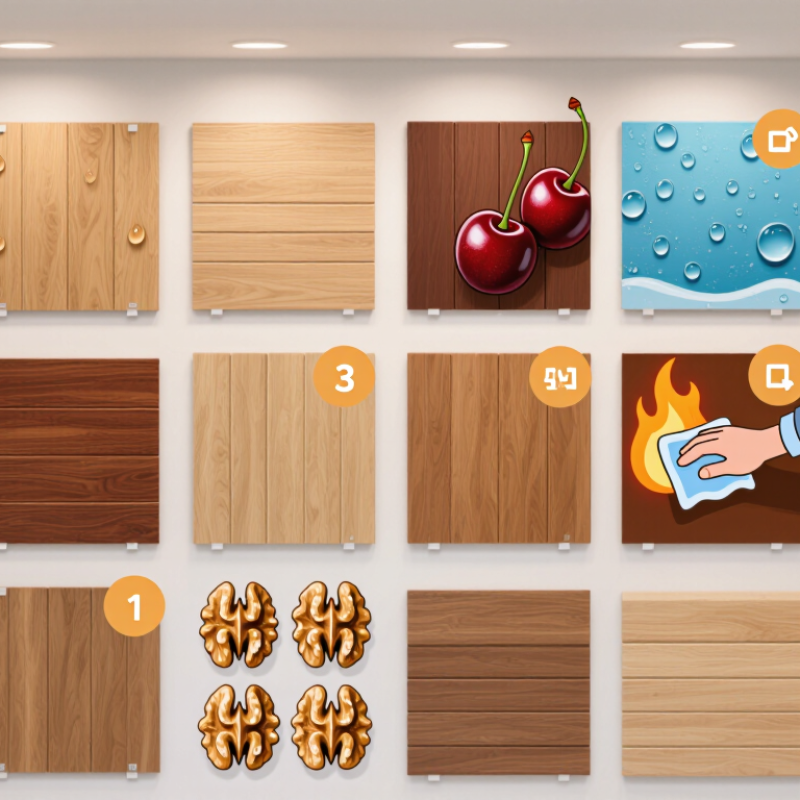
Indoor WPC wall panels are interior boards made from wood fibers and thermoplastic polymers. This combination creates a stable surface with a warm, wood-like appearance. Unlike solid timber, WPC panels resist ordinary moisture, surface cracking, and minor daily impacts. They are commonly used in living rooms, bedrooms, corridors, offices, and reception areas.
Their value is practical. Panels can cover uneven walls and hide small construction flaws. Many systems use interlocking edges, reducing installation time and dust. The textured surface may also soften echoes in a busy room, although it should not replace professional acoustic treatment. In my experience, correct wall preparation matters more than attractive panel patterns. A damp or unstable wall can still cause trouble behind the finished surface. WPC is not completely maintenance-free.
Tips: Check the panel’s indoor emission certificate, fire-performance data, and installation instructions. Keep panels indoors for acclimatization before fitting. Leave small expansion gaps near corners and ceilings. Use a soft cloth for cleaning, not abrasive chemicals.
Choose panels according to room conditions, not photographs alone. Dark textures can make narrow spaces feel smaller. Light colors show fewer shadows but may reveal dirt sooner. Samples should be viewed under the room’s actual lighting. Also, confirm whether the core contains recycled material and whether the supplier provides consistent batch quality. These details support safer decisions and more reliable long-term performance.



Copyright © CUSTOM Building Products 2025
Products | Resources | Interactive Tools | Warranties | Privacy Policy | Terms of Use | Technical Training
