



Choosing the right Bun Feet Sofa Legs in 2026 involves more than matching a traditional shape to your sofa. These rounded wooden or metal supports can change the furniture’s height, stability, comfort, and visual character. A warm walnut bun foot may suit a classic living room, while a matte black option can sharpen a modern sofa. Small details matter.
This guide examines practical factors that experienced furniture makers and homeowners commonly check. We will consider leg height, mounting plates, thread sizes, weight capacity, wood quality, finish durability, and floor protection. Measure carefully. A difference of two centimeters can affect seat comfort and cleaning access. Always compare the manufacturer’s specifications with your sofa’s frame before ordering.
Real-world installation also deserves attention. A leg may look beautiful online but feel unstable on an uneven floor. Soft wood can dent under heavy furniture, while poorly sealed finishes may show scratches quickly. I have learned that attractive design is not enough. Some fittings still require better instructions. That weakness should be acknowledged, not hidden. Testing one replacement leg first can prevent an expensive mistake. The following sections will help you evaluate styles, materials, compatibility, and long-term value with clearer judgment. The best choice should support your sofa securely and fit the room naturally.
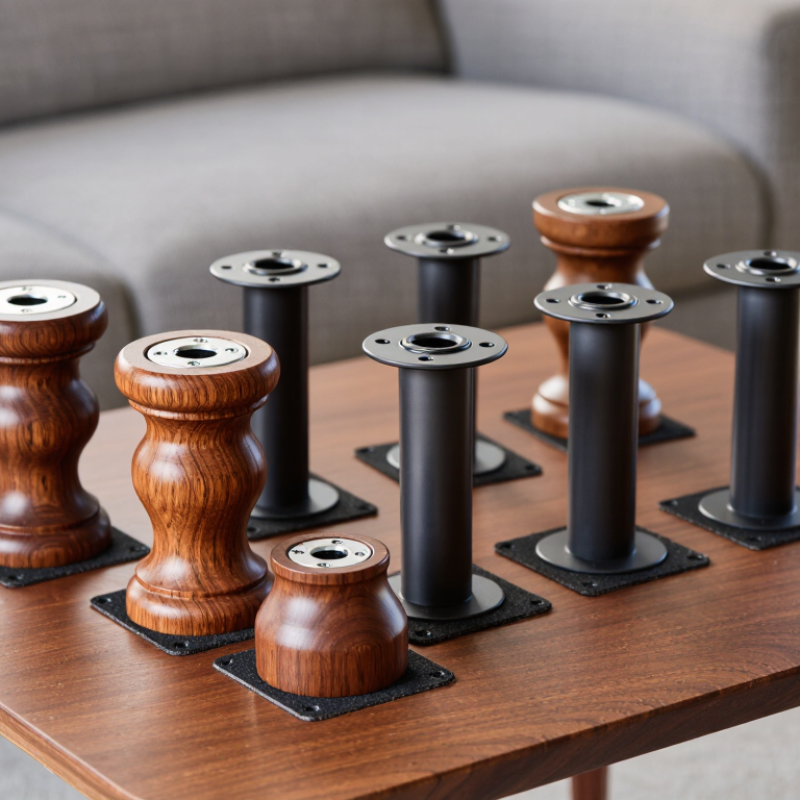
Bun feet are short, rounded sofa legs with a squat, cushion-like shape. They usually use hardwood, metal, or reinforced polymer. A threaded bolt, mounting plate, or corner bracket connects each foot to the sofa frame. This connection transfers weight from the seat frame to the floor. They also raise the upholstery, allowing airflow and easier cleaning underneath. They are not decoration alone.
In practical furniture repairs, I check the frame before choosing the leg. A strong bun foot cannot correct cracked wood or loose corner blocks. Measure the existing height, bolt diameter, thread length, and mounting angle. A few millimeters can affect sofa balance. The foot should sit flat, without rocking. I still recheck every fastener after installation; small errors are easy to miss.
Grand View Research valued the global furniture market at about 516.66 billion dollars in 2023. Its 2024 report also projected growth through 2030, reflecting continued demand for replacement and home-improvement furniture. That trend makes compatible sofa hardware more important. For 2026, prioritize certified load information, moisture-resistant finishes, and replaceable mounting hardware. Hardwood offers a warm appearance, but metal may provide better consistency under heavier frames. Polymer feet can reduce cost, though quality varies. A perfect-looking foot may still fail when its screw is too short.



Copyright © CUSTOM Building Products 2025
Products | Resources | Interactive Tools | Warranties | Privacy Policy | Terms of Use | Technical Training
