Top 10 Benefits of Wall Clad Panel WPC for Your Project?
In recent years, Wall Clad Panel Wpc has gained significant popularity in construction projects. According to the Global Construction Materials Market report, the use of composite materials, including WPC, is expected to grow by over 15% annually. This growth reflects a rising demand for durable and visually appealing building solutions. Experts emphasize the material's versatility and environmental benefits.
John Stevens, an industry leader at EcoBuild Solutions, states, "Wall Clad Panel WPC not only enhances aesthetics but also promotes sustainability in modern architecture." This highlights the critical role of Wall Clad Panel WPC in integrating functionality with eco-friendliness.
However, the adoption of Wall Clad Panel WPC is not without challenges. Issues related to installation expertise and initial costs often arise. While many projects successfully leverage WPC, some still struggle with long-term maintenance and compatibility. The evolving technologies in this field continue to push the boundaries, inviting careful consideration from builders. Embracing Wall Clad Panel WPC can lead to remarkable benefits, but a thoughtful approach is essential for lasting success.
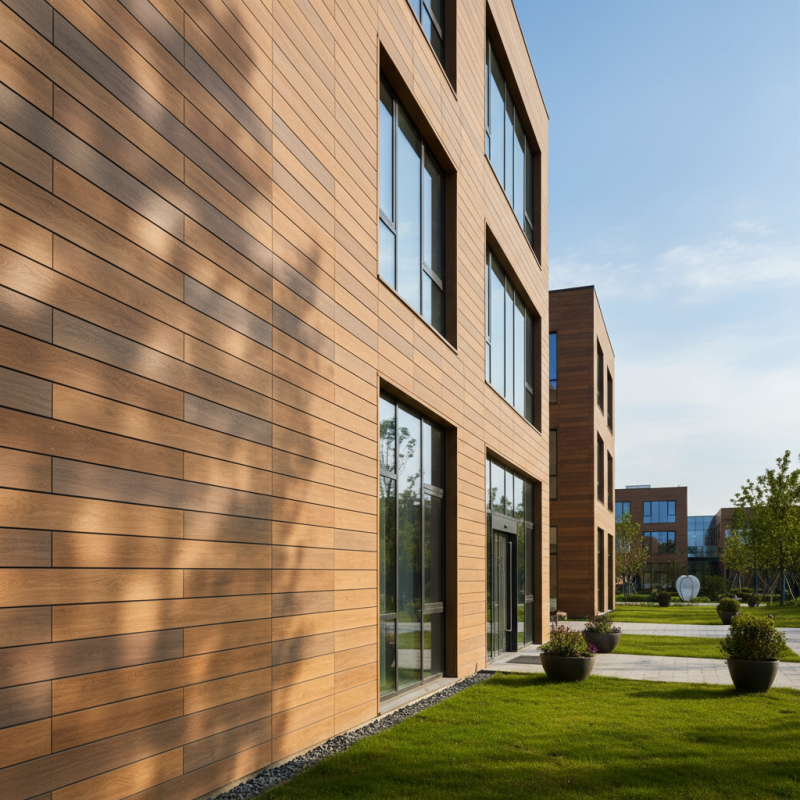
Benefits of Wall Clad Panel WPC in Modern Construction Projects
Wall clad panel WPC (Wood-Plastic Composite) is becoming increasingly popular in modern construction projects. Its unique blend of wood and plastic offers durability and aesthetic appeal. The panels are resistant to moisture, making them ideal for areas exposed to humidity. This attribute helps maintain the structural integrity over time.
One significant advantage is low maintenance. Unlike traditional wood, WPC panels do not require frequent sealing or staining. This can save both time and money for project managers. Additionally, they come in a variety of finishes, allowing for creative design options that enhance the overall look of the building.
Tips: Always check for certification. Not all WPC panels are created equal. Look for products with environmental certifications for peace of mind regarding sustainability.
Using wall clad panels can also improve energy efficiency. The insulation properties of WPC help maintain temperature control, reducing energy costs in the long run. However, it’s important to balance aesthetics with functionality. Sometimes, the initial installation costs might seem high, but considering the long-term benefits can justify the expense.
Tips: Consider long-term durability over short-term trends. Investing in quality materials can lead to better results in the future.
Durability and Weather Resistance of WPC Wall Clad Panels
WPC wall cladding panels offer outstanding durability. Made from a blend of wood fibers and recycled plastic, they resist wear and tear. This composite material is designed for various climates. It holds up well against rain, extreme temperatures, and UV rays. This means less frequent replacements over time, making it a cost-effective choice.
Weather resistance is another key advantage. WPC panels do not splinter or decay like traditional wood. They can withstand mold and mildew, ideal for humid environments. Homeowners appreciate this feature as it reduces maintenance efforts. However, some may find the installation process complicated. Correct installation is crucial for maximum performance and longevity.
While WPC panels excel in many aspects, they are not completely impervious. Extreme conditions may still pose challenges. For instance, heavy impacts can potentially damage the surface. Investing in quality materials and skilled labor can help mitigate these risks. Evaluating local climate factors is essential for the best results.
Sustainable and Eco-Friendly Aspects of WPC Materials
Wall clad panel materials made from Wood Plastic Composite (WPC) are increasingly attracting attention. These panels are gaining popularity for their sustainable properties. Made from recycled wood fibers and plastic, they utilize materials that would otherwise go to waste. This not only reduces landfill usage but also diminishes the demand for virgin materials.
WPC materials are eco-friendly, often requiring fewer resources for production. They create less emissions compared to traditional materials. Additionally, they are durable and long-lasting, leading to less frequent replacements. This longevity contributes to a lower overall environmental impact. While WPC panels have many advantages, the production process can still improve to further reduce energy consumption.
Many projects see WPC as a viable option due to its aesthetics and functionality. However, some may question its full biodegradability compared to pure wood. Striking a balance between sustainability and durability remains a challenge. The industry is still learning to enhance these aspects while minimizing environmental footprints.
Aesthetic Versatility: Design Options with WPC Panels
WPC panels offer remarkable aesthetic versatility for various design projects. Their natural wood-like finish can elevate any space. Many color options are available, from deep browns to light grays. This diversity allows architects and designers to create bespoke looks. The texture of WPC panels mimics real wood, which adds warmth to rooms. Yet, they are not solely focused on traditional styles.
Incorporating WPC panels into modern designs can yield stunning visual effects. They can enhance both indoor and outdoor settings with sleek lines. Additionally, the ability to create intricate patterns can lead to unique wall art. However, achieving a perfect balance between color and texture can be tricky. Sometimes, the wrong choice might clash with other materials in a space.
Experimenting with WPC panels encourages creativity. Mixed finishes can yield unexpected results. But keep in mind that trends change, and what is in vogue today might fade. Regular updates may be necessary to maintain an eye-catching aesthetic. The journey of refining designs can unveil both challenges and opportunities for innovation.
Top 10 Benefits of Wall Clad Panel WPC for Your Project
Cost-Effectiveness of Using WPC for Wall Cladding Applications
When considering wall cladding materials, Wood Plastic Composites (WPC) stand out due to their cost-effectiveness. Research by Allied Market Research predicts the WPC market will reach $9.7 billion by 2026, reflecting a growing preference in construction. The durability and low maintenance costs further enhance their appeal. WPC’s resistance to moisture and pests also helps save on long-term expenses.
One major advantage of WPC is its reduced lifecycle costs. Traditional materials often require regular maintenance, while WPC panels can last for decades with minimal upkeep. This longevity translates into significant savings. According to the American Society for Testing and Materials, WPC has a lifespan of around 25 years, considerably outlasting many wood alternatives.
Tips: Opt for bulk purchasing to reduce costs. Choose eco-friendly options to appeal to environmentally-conscious clients. Remember, poor installation can lead to issues, so ensure skilled labor is used. This might involve higher upfront costs but can save money over time. WPC represents a valuable investment in the long run.