


Why Choose a Mild Hyperbaric Chamber?
A Mild Hyperbaric Chamber offers a lower-pressure environment than medical hyperbaric oxygen therapy. It is designed for people seeking a supervised wellness experience, not an emergency treatment. Inside, users may notice gentle ear pressure, a quiet enclosed space, and oxygen-rich air, depending on the equipment. The experience can feel calming, though individual responses vary.
Many people choose a Mild Hyperbaric Chamber because the sessions are usually shorter, less intimidating, and easier to fit into a routine. Some wellness centers use them alongside relaxation, recovery, or fitness programs. However, these uses should not be confused with proven medical outcomes. Research on mild hyperbaric therapy remains developing, and claims about healing, anti-aging, or disease treatment require careful evaluation.
Safety deserves attention. A qualified provider should explain screening requirements, pressure changes, cleaning procedures, and emergency steps. People with certain ear, lung, heart, or medication-related concerns may need medical advice before using a chamber. Never ignore pain, breathing difficulty, dizziness, or unusual discomfort during a session.
The choice should be practical, not promotional. Ask who supervises the chamber and what evidence supports each claim. Check whether the equipment is properly maintained and whether staff record your response. Marketing can sound convincing.
It is also fair to admit uncertainty. A Mild Hyperbaric Chamber may support relaxation for some users, but it is not a guaranteed solution. Thoughtful expectations make the experience safer and more credible.
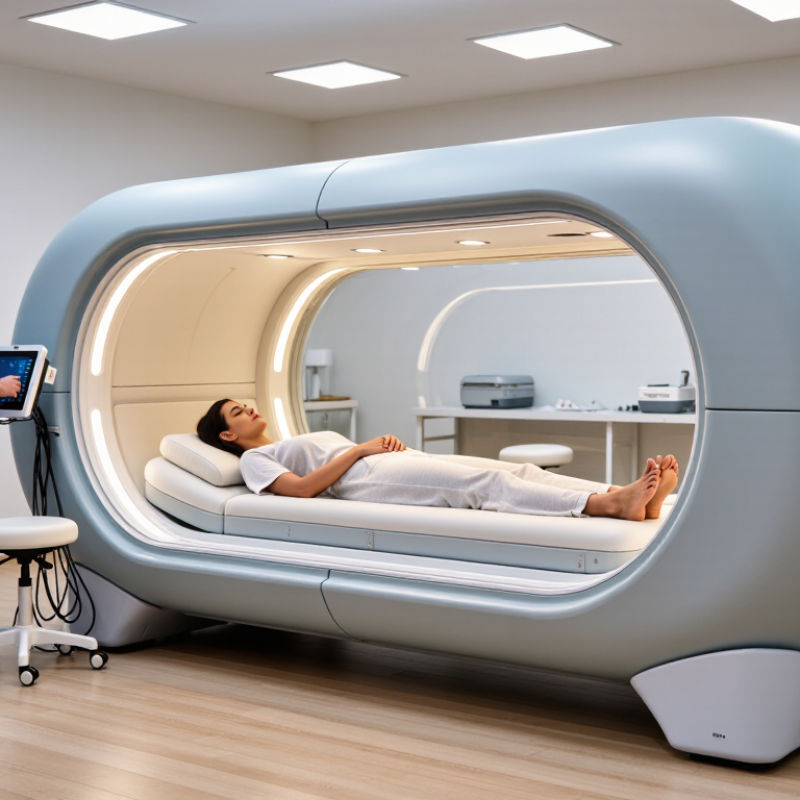
Mild hyperbaric therapy uses pressure above normal atmospheric pressure, commonly 1.3–1.5 ATA. ATA means atmospheres absolute, including the pressure surrounding us. At 1.3 ATA, the pressure increase is modest. Some people describe a gentle ear-popping sensation during compression. The chamber may use room air or supplemental oxygen, depending on its design and clinical protocol. That difference matters when comparing treatment settings.
Typical sessions last about 30–60 minutes at pressure. Allow extra time for entering, compression, decompression, and basic safety checks. A trained operator should explain equalizing ear pressure before the session begins. Slow breathing and swallowing may help. Never ignore pain, dizziness, unusual shortness of breath, or anxiety. Tell the supervising professional about ear problems, lung conditions, recent procedures, or prescribed medicines.
Many users choose mild pressure because sessions can fit more easily into a daily routine. However, convenience does not prove effectiveness. Research remains mixed for several proposed wellness uses, and results may differ between individuals. A responsible provider records pressure, session length, oxygen use, and symptoms over time. Personal experience can be useful, but it is not the same as clinical evidence.
I would question any claim promising universal results. Mild hyperbaric therapy should support informed healthcare decisions, not replace diagnosis or treatment from a qualified medical professional.



Copyright © CUSTOM Building Products 2025
Products | Resources | Interactive Tools | Warranties | Privacy Policy | Terms of Use | Technical Training
