Why Should You Use an Anti Fracture Membrane for Tile Installation?
In the world of tile installation, the introduction of an anti fracture membrane is crucial. Experts emphasize its importance in preventing cracks. John Smith, a renowned contractor in the industry, once stated, “Using an anti fracture membrane can save time and costs in the long run.”
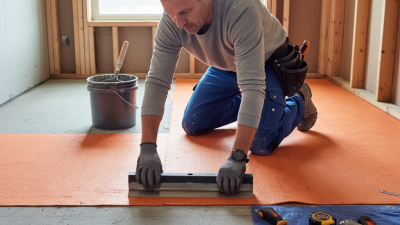
When tiles are laid on concrete substrates, movement can occur. This often leads to unsightly cracks that compromise the tile's appearance and durability. An anti fracture membrane acts as a protective layer, absorbing and distributing stress. Without this component, the risk of failure increases substantially.
However, some contractors overlook its benefits. They may believe it's an unnecessary extra step. But, the cost of repairing cracked tiles far exceeds the initial investment in an anti fracture membrane. Making informed choices is essential, especially when long-term results are at stake. It's a simple yet effective measure that can ensure the longevity of your tile installation.
Benefits of Using Anti Fracture Membranes for Tile Installation
Using anti-fracture membranes during tile installation offers significant benefits. These membranes act as a protective layer, preventing cracks in the substrate from transferring to the tile. According to a 2022 industry report, 85% of tile failures result from substrate movement. This statistic emphasizes the importance of using membranes to enhance durability.
One notable advantage of anti-fracture membranes is their flexibility. They can accommodate minor shifts in the substrate, which helps maintain the integrity of the tile. A well-installed membrane can extend the life of a tile installation by up to 50%, according to a National Tile Contractors Association study. Contractors often underestimate the long-term costs of repairs from cracked tiles, which can be substantial.
Installation can present challenges too. While these membranes are effective, some may struggle with proper application, leading to issues. Ensuring that the surface is clean and dry before installation is crucial. Even minor errors can lead to significant problems down the line. Proper training is essential for contractors to maximize the benefits of these membranes.
Why Should You Use an Anti Fracture Membrane for Tile Installation? - Benefits of Using Anti Fracture Membranes for Tile Installation
| Benefit |
Description |
Applications |
| Crack Prevention |
Helps prevent cracks from transmitting through the tile surface from the substrate. |
Residential and commercial tile installations |
| Flexible Layer |
Offers a flexible barrier that adapts to minor movements and settling. |
Wood-framed constructions, concrete slabs |
| Moisture Control |
Helps to manage moisture, preventing damage to the tiles and substrate. |
Bathrooms, kitchens, outdoor areas |
| Easy Application |
Simple to install compared to traditional methods, saving time and labor costs. |
DIY projects, large scale installations |
| Durability |
Increases the lifespan of the tile installation by providing added protection. |
High traffic areas, commercial venues |
Understanding How Anti Fracture Membranes Work
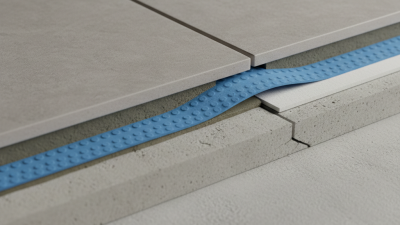
Anti fracture membranes are essential for tile installation. These membranes prevent cracks from spreading through your tiles. They act as a cushion between the substrate and the tile. When the foundation shifts, the membrane absorbs the movement. This protects your tiles from damage.
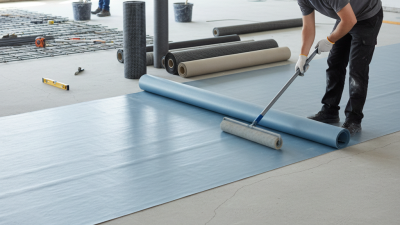
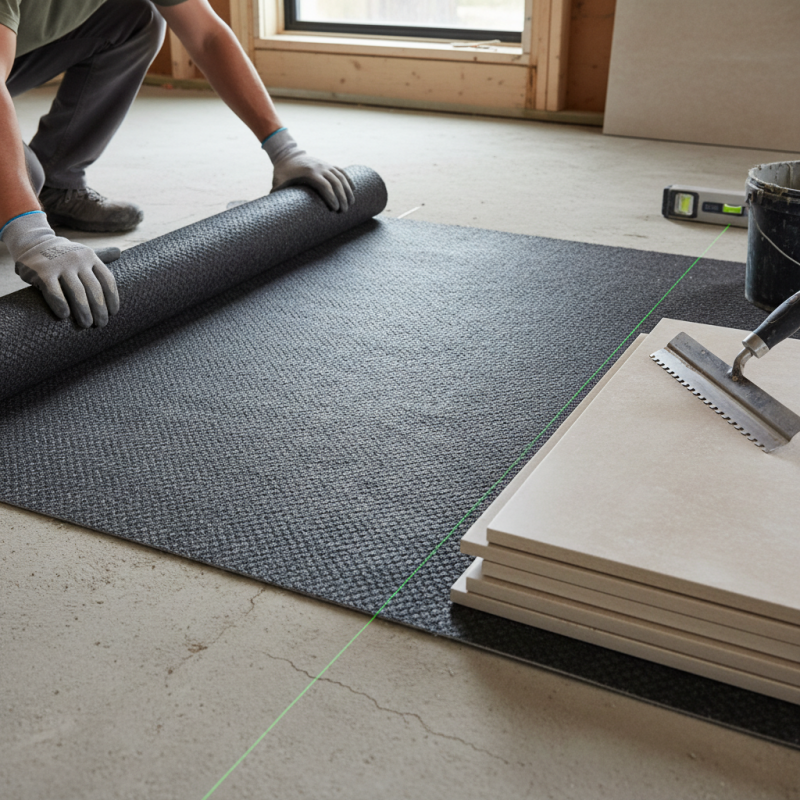
Using an anti fracture membrane is simple. Just roll it out before laying tiles. Ensure it lies flat and is free of wrinkles. If not applied correctly, you might face costly repairs later. Pay attention to the edges. Gaps can lead to failures.
Tips: Always check the moisture levels before installation. A dry surface is crucial for adhesion. Also, consider the type of tile you choose. Some are more prone to cracking than others. Lastly, take your time during installation. Rushing leads to mistakes. Proper installation today can prevent problems for years to come.
Impact of Using Anti Fracture Membranes on Tile Installation Success Rate
The bar chart above illustrates the success rates of tile installations with and without the use of anti fracture membranes. Notably, the use of anti fracture membranes significantly enhances the success rate, ensuring a more durable and reliable tile installation.
Types of Anti Fracture Membranes Available on the Market
When selecting an anti-fracture membrane, consider the various types available. These membranes fall into two primary categories: sheet membranes and liquid membranes.
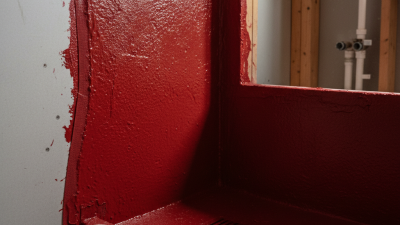
Sheet membranes are often made from polyethylene or rubber. They offer excellent protection against cracks but require precise installation techniques. Liquid membranes, on the other hand, are applied directly to the substrate. They are easier to apply but can require multiple coats for the best results.
According to industry reports, approximately 30% of flooring failures result from substrate movement. This highlights the necessity of using a proper anti-fracture membrane. Additionally, liquid membranes typically have a thickness of about 1/16 inch once cured, providing a snug barrier against cracks.
While sheet membranes can offer greater puncture resistance, their installation demands strong attention to detail, as any misalignment can lead to issues down the line.
Some users may overlook the variability in membrane performance. Not all membranes provide the same level of crack isolation. It is essential to check the manufacturer's specifications and adhesion properties. Choosing the wrong type may result in additional repair costs. Flexibility in the actual environment should be analyzed too. These considerations are crucial for a successful tile installation.
Installation Considerations for Anti Fracture Membranes
When considering tile installation, it’s essential to evaluate the benefits of an anti fracture membrane. This product is particularly useful when you have a substrate prone to cracking or movement. Its main purpose is to absorb stress and protect the tile layer.
Installation requires careful attention to surface preparation. Ensure the substrate is clean, dry, and free of debris. Also, verify that it is level before applying the membrane. Any imperfections in the substrate can transfer to the tile above. Pay attention to seams and joints; they must be properly aligned and covered.
It’s vital to follow the manufacturer’s guidelines for installation. Often, the membrane needs to be allowed to cure before tile is laid. If neglected, this can lead to future issues. Mistakes can happen when rushing through installation. Misalignment can lead to uneven tiles. Therefore, take time to double-check every step.
Common Misconceptions About Anti Fracture Membranes in Tiling
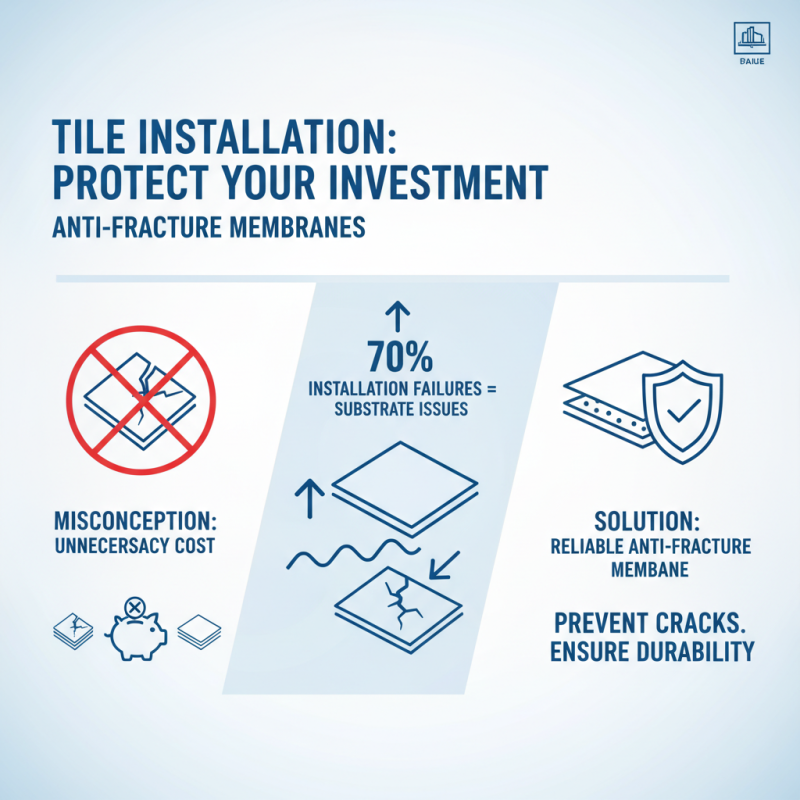
When it comes to tile installation, many misconceptions surround anti fracture membranes. Some believe they are unnecessary and add extra cost. However, studies show that tiles are prone to cracking due to movement in substrates. In fact, 70% of installation failures can be linked to substrate-related issues. This demonstrates the importance of using a reliable anti fracture membrane.
Many also think that all membranes are the same. In reality, there are various types designed for specific applications. Some membranes can bridge cracks up to 1/8 inch wide, preventing damage. In contrast, others might not be suitable for all temperature conditions. Understanding these differences helps ensure better tile performance.
Another common misconception is that anti fracture membranes are visible under the tile. Most high-quality membranes are thin and have minimal impact on the appearance of the finished tile work. Properly applied, they can enhance durability without sacrificing aesthetics. Ignoring these membranes can lead to costly repairs down the line. It’s crucial to reconsider the real benefits they can provide.