How to Use Anti Crack Membrane for Effective Surface Protection?
Using an anti crack membrane is essential for protecting surfaces. Experts emphasize its benefits in various applications. John Smith, a leading figure in surface protection technology, states, "An anti crack membrane is a vital tool for durability in construction." His insight reflects a growing recognition of this product's importance.
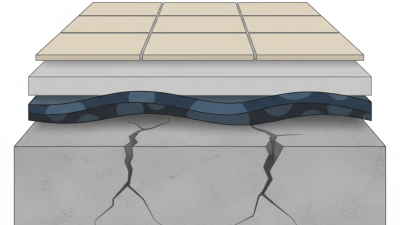
In environments prone to cracking, an anti crack membrane acts as a barrier. It prevents damage caused by temperature fluctuations and moisture. Moreover, it enhances the longevity of surfaces, making it a smart choice for homeowners and builders alike. The application process, while straightforward, requires careful attention to detail.
Some may feel confident applying the anti crack membrane, yet errors can still occur. For instance, improper surface preparation can compromise effectiveness. Choosing a high-quality product is equally crucial. Without it, even the best practices may fall short. Ultimately, understanding how to effectively use an anti crack membrane can lead to significant improvements in surface protection and durability.
Understanding Anti Crack Membrane and Its Benefits for Surface Protection
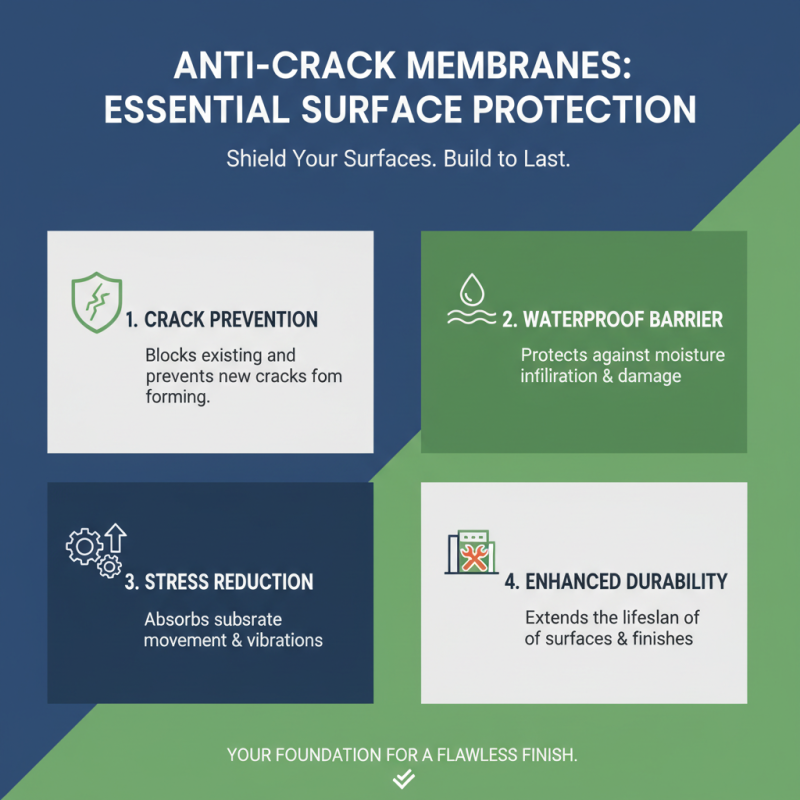
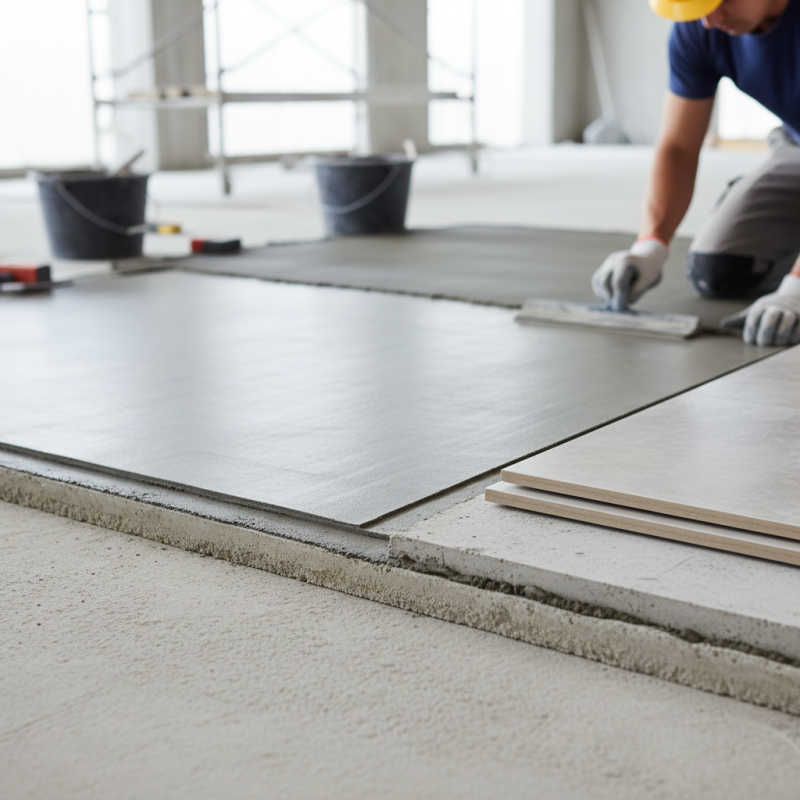
Anti crack membranes are essential for surface protection. They serve as a barrier against cracks, water damage, and various stresses. Understanding their benefits helps in decision-making for construction or renovation projects.
Using anti crack membranes can significantly enhance the durability of floors. These membranes reduce the risk of surface cracking during the curing process. This protection is especially vital in areas with fluctuating temperatures. Installing them well can save time and repair costs down the line.
Tips: Ensure the surface is clean before application. An uneven surface may cause the membrane to fail. Pay attention to the installation method; even minor mistakes can lead to bigger issues later. Also, consider the thickness of the membrane based on the expected stress it will encounter.
Types of Anti Crack Membrane Available for Different Applications
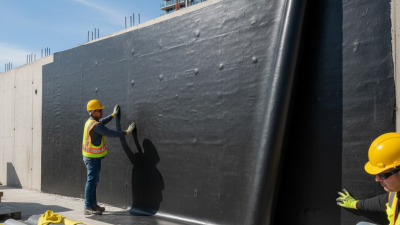
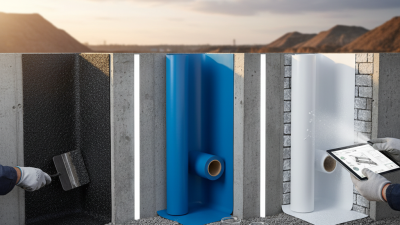
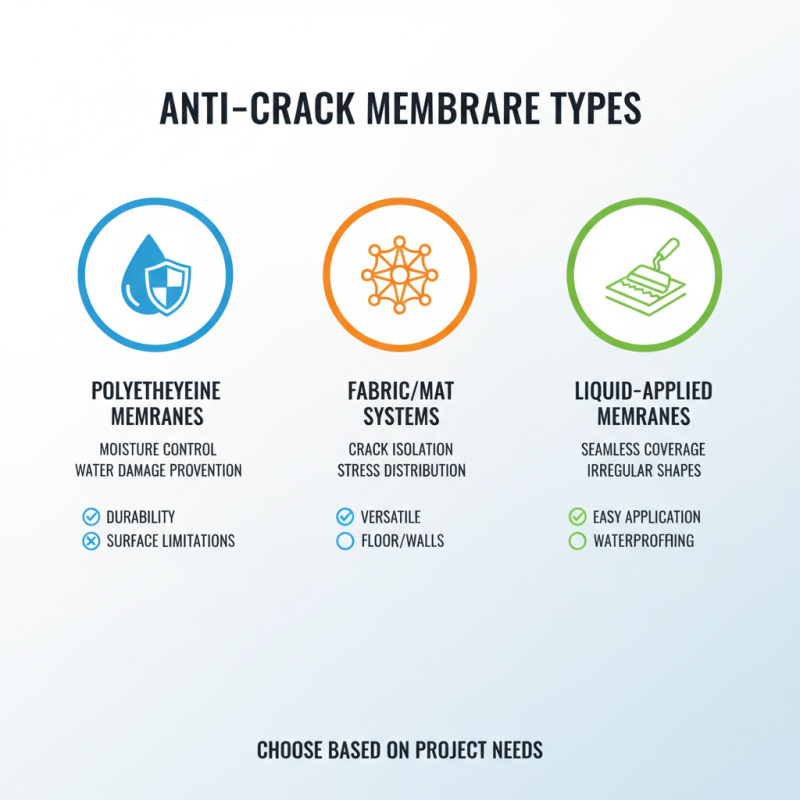
When choosing an anti-crack membrane, consider the various types available. Each type serves different applications, so knowing your project needs is crucial. For instance, there are polyethylene membranes, ideal for moisture control. They prevent water damage and enhance durability. But, they may not be suitable for all surfaces.
Another option is the fiberglass-reinforced membrane. It offers excellent crack resistance, particularly in high-stress areas. This type works well in commercial settings or places with heavy foot traffic. However, installation can be tricky, requiring careful handling.
**Tips:** Always read installation guidelines carefully. Improper application can lead to issues later. Also, consider the environmental conditions. Some membranes may not perform well in extreme temperatures. Test a small section before the final installation to ensure compatibility with the surface.
Polymers are yet another choice. They adapt to various surface materials, making them versatile for both residential and industrial uses. Still, they may require a primer for adhesion, so do your research. Testing and adjusting application methods is key here. Remember, each type of membrane has strengths and weaknesses; understanding them can save you time and headaches.
Step-by-Step Application Process of Anti Crack Membrane
Applying an anti-crack membrane is a crucial step in enhancing surface protection. This process not only strengthens concrete structures but also prolongs their lifespan. Studies show that using anti-crack membranes can reduce cracking by up to 80%. A well-executed application contributes significantly to structural integrity.
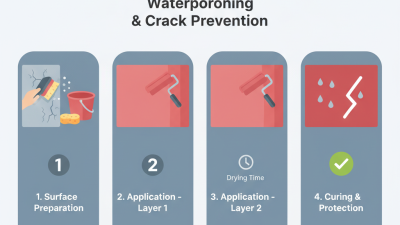
Begin by thoroughly cleaning the surface. Remove any debris, dust, or grease. This step ensures proper adhesion of the membrane. If the surface is uneven, consider leveling it first. Choose the right type of membrane for your project. There are various options available, each suited for specific conditions.
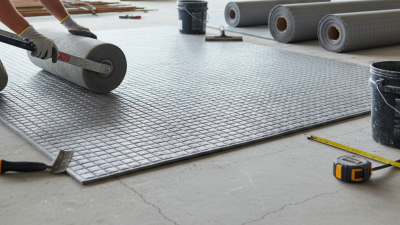
After preparation, carefully mix the membrane according to the manufacturer's specifications. Apply it using a roller or brush, ensuring even coverage. Pay attention to corners and edges, as these areas often require more detail. Allow the first layer to cure before applying additional coats. This can take several hours, depending on environmental conditions.
Tips: Always wear protective gear during application. Work in well-ventilated areas to avoid inhaling fumes. It’s essential to check for any imperfections after the first layer dries. Small bubbles or missed spots can limit the effectiveness of the membrane. Address these issues promptly for the best results.
Tips for Maintaining and Enhancing the Longevity of Anti Crack Membrane
To maintain the longevity of an anti-crack membrane, regular inspections are crucial. Look for signs of wear or damage. Small cracks can become large problems if neglected. Addressing these issues promptly helps preserve the membrane’s integrity.
Proper installation contributes to its durability. Ensure the surface is clean and dry before application. Any moisture can weaken adhesion. Pay attention to the edges; improper sealing can lead to peeling.
Additionally, protect the membrane from heavy impacts. Avoid dropping tools or heavy objects on the surface. These actions can create unnecessary stress. Consider placing mats or protective coverings in high-traffic areas. Regular cleaning is also essential; dirt can degrade the membrane over time.
Common Mistakes to Avoid When Using Anti Crack Membrane for Protection
When applying an anti-crack membrane, attention to detail is crucial. One common mistake involves neglecting proper surface preparation. Inadequate cleaning can lead to adhesion failure. A report by the National Institute of Standards suggests that poor surface prep can reduce membrane performance by up to 30%. Ensure surfaces are clean, dry, and free from contaminants.
Another frequent error is applying the membrane in unfavorable weather conditions. High humidity or extreme temperatures can compromise curing times. According to data from the Construction Materials Association, membranes applied under such conditions may lose their effectiveness. It's essential to check the weather forecast and choose suitable days for application.
Lastly, improper installation thickness is a critical oversight. Many users apply too little membrane, thinking it will save resources. However, this often results in insufficient protection. A study indicated that a minimum thickness of 2mm is usually required for optimal performance. Remember, cutting corners can lead to costly repairs later. Aim for thorough and careful application to ensure lasting results.
How to Use Anti Crack Membrane for Effective Surface Protection? - Common Mistakes to Avoid When Using Anti Crack Membrane for Protection
| Mistake |
Description |
Effect |
Advice |
| Insufficient Surface Preparation |
Not cleaning or leveling the surface before application. |
Inadequate adhesion, leading to peeling. |
Always clean and smooth the surface thoroughly. |
| Ignoring Temperature Requirements |
Applying in temperatures below recommended levels. |
Increased curing time and reduced effectiveness. |
Check the manufacturer's temperature guidelines before application. |
| Overlapping Edges |
Not properly overlapping seams during application. |
Vulnerability to water intrusion and crack development. |
Ensure that edges are overlapped according to guidelines. |
| Neglecting Drying Time |
Not allowing sufficient time for the membrane to cure. |
Compromised integrity and protective function. |
Follow the recommended drying times before exposure. |
| Using Incorrect Product Type |
Choosing a membrane not suited for the specific application. |
Potential failure in performance. |
Select a product based on specific project needs. |