



Air Picks are compact pneumatic tools designed to break, chip, or loosen hard materials. They resemble narrow chisels with a rapid internal striking action. Compressed air enters through the tool’s inlet. It drives a piston forward and returns it repeatedly. That motion transfers force into the attached pick or chisel.
The result is concentrated impact rather than continuous spinning. This makes Air Picks useful for removing scale, separating bonded materials, cleaning castings, and reaching tight spaces. Pneumatic-tool engineer Eric R. Larson explains, “An air pick works best when controlled impact meets the right tip, pressure, and working angle.” His observation highlights an important detail: power alone does not guarantee effective work. Tip shape, hose size, lubrication, and operator technique also influence performance.
In practice, the tool can feel deceptively simple. It is not.
A technician may hear a sharp tapping rhythm while guiding the point across a rough metal surface. Excessive pressure can reduce movement and increase fatigue. Incorrect air pressure may also cause weak performance or premature wear. Always check the manufacturer’s specifications, inspect fittings, and use suitable eye and hearing protection. These steps support safer, more consistent operation.
The explanation above is useful, but not complete. Different Air Picks vary in stroke length, impact rate, weight, and intended material. A compact model may offer better control, while a heavier version delivers stronger impact. Understanding those differences helps readers choose responsibly and use the tool with realistic expectations.
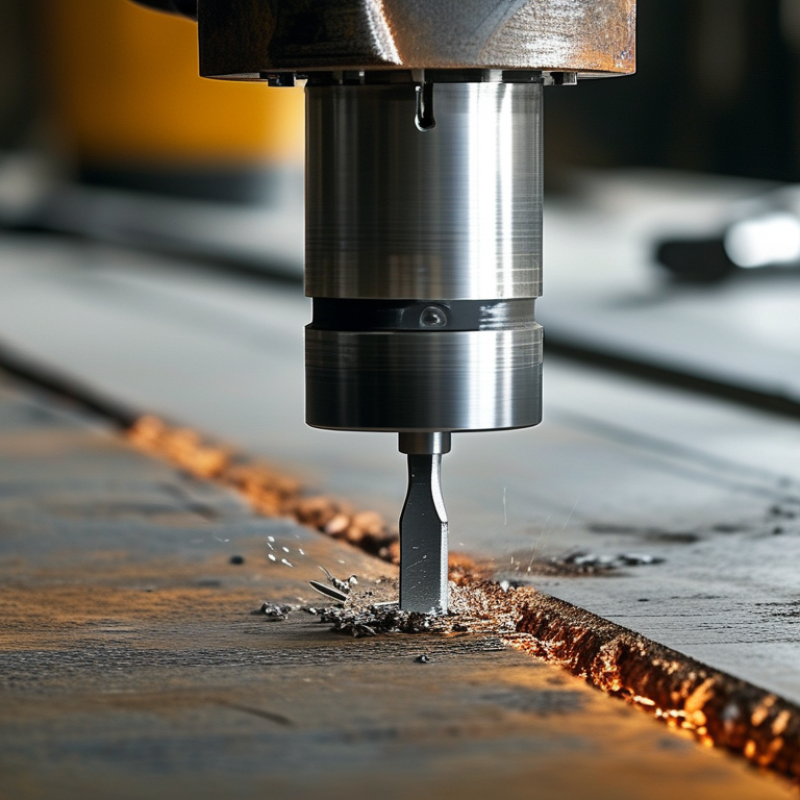
Air picks are compact pneumatic tools designed for controlled breaking and chipping. They use compressed air to move an internal piston rapidly. The piston strikes a fitted bit, transferring force into concrete, masonry, asphalt, frozen soil, or hardened material. Their narrow shape helps workers reach corners and confined spaces more easily than larger breakers.
Construction crews may use them to remove mortar, open small sections of concrete, clear packed soil, or repair damaged surfaces. Maintenance workers also use them for scaling deposits from metal structures and loosening stubborn material. The tool feels powerful, but control matters more than force. A sharp bit, steady grip, and suitable air pressure usually produce cleaner results. Excessive pressure can increase vibration and wear without improving performance. That detail is easy to overlook.
Check the hose, couplings, bit, and safety latch before work. Wear eye, hearing, hand, and foot protection. Keep both hands positioned securely, and avoid pointing the tool toward anyone. Start with light contact, then increase pressure gradually. Short work periods can reduce hand fatigue. Lubrication also matters, although the correct method depends on the tool’s design. Read the manufacturer’s instructions instead of guessing. Air picks are useful, but they are not magic. Difficult material may require a different bit, slower movement, or another tool entirely.


Copyright © CUSTOM Building Products 2025
Products | Resources | Interactive Tools | Warranties | Privacy Policy | Terms of Use | Technical Training
