



Choosing a TS11 Pneumatic Breaker is not simply a matter of comparing prices. Global buyers must examine output energy, air consumption, operating pressure, spare-parts access, and supplier support. A breaker may look powerful on paper, yet perform poorly with an undersized compressor or weak hose connections. Field conditions matter.
Lars Holm, an independent pneumatic-tools engineer, explains, “A dependable breaker is measured by the work it completes, not the noise it makes.” That practical view guides this supplier comparison. The selected companies are assessed through product specifications, manufacturing experience, export capability, service responsiveness, and buyer feedback. Their ability to provide wearing parts also deserves close attention. Small details often decide downtime.
This guide reviews seven TS11 Pneumatic Breaker suppliers serving international customers. It considers factory capacity, quality-control methods, documentation, packaging, delivery coordination, and after-sales communication. Some suppliers may offer attractive quotations but limited technical guidance. Others may charge more while reducing replacement delays. Neither option is automatically best.
There is no perfect supplier for every project. A quarry, underground mine, and construction contractor may require different configurations. Buyers should verify air requirements, thread standards, tool weight, and warranty terms before placing an order. Request recent test records. Ask for clear photographs.
Supplier information can also change. Production lines, certifications, and export policies require direct confirmation. That is why this overview should support careful evaluation, not replace it. The right TS11 Pneumatic Breaker supplier combines reliable equipment with honest communication, practical documentation, and service that continues after delivery.
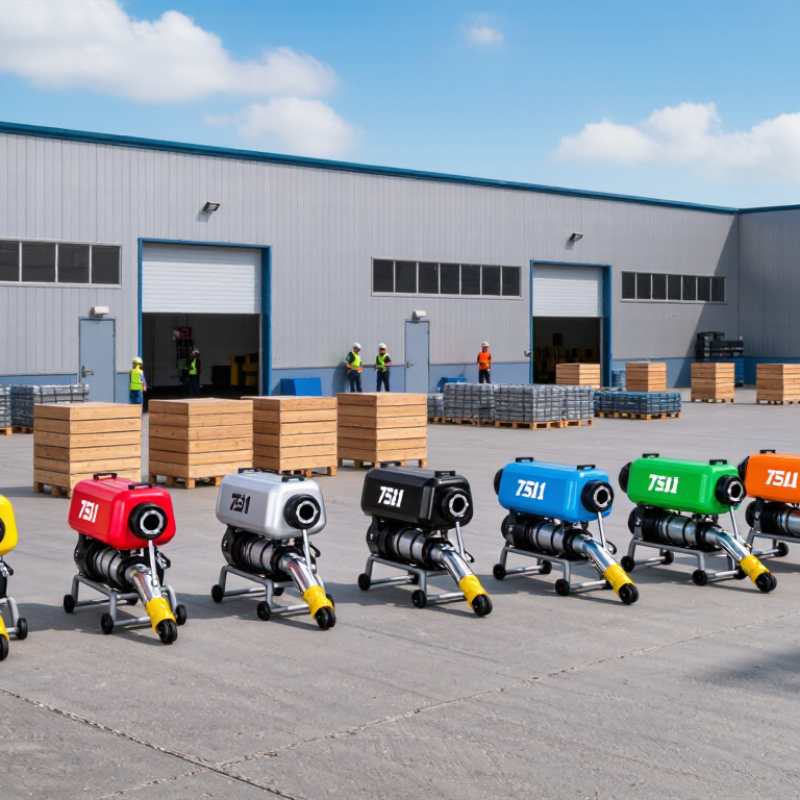
A TS11 pneumatic breaker is a handheld impact tool powered by compressed air. In supplier catalogs, “TS11” often describes a compact breaker class, not a universal international specification. Buyers should verify weight, shank size, impact frequency, air consumption, and hose connection before comparing quotations. Some listings are inconsistent. That deserves attention.
Inside the tool, compressed air drives a piston against a chisel or moil point. The repeated blows break concrete, masonry, asphalt, and compacted ground. A typical unit may weigh around 11 kilograms, but specifications differ by manufacturer.
Practical checks matter: inspect the trigger, retaining spring, piston seal, and exhaust muffler. A breaker that feels unusually hot may have poor lubrication, restricted airflow, or an undersized hose.
Air demand directly affects operating cost. The U.S. Department of Energy’s Improving Compressed Air System Performance sourcebook reports that leaks can waste 20–30% of compressor output in poorly maintained systems. Therefore, buyers should request tested air-consumption figures, not only catalog estimates.
Noise also requires control. NIOSH’s Criteria for a Recommended Standard: Occupational Noise Exposure recommends an 85 dBA eight-hour exposure limit with a 3 dB exchange rate.
Operators generally need hearing protection, gloves, eye protection, and stable footing. ISO 11148-4 provides safety requirements for handheld non-electric impact tools, including breakers. A careful supplier should explain maintenance intervals, compatible bits, vibration data, and test conditions.


Copyright © CUSTOM Building Products 2025
Products | Resources | Interactive Tools | Warranties | Privacy Policy | Terms of Use | Technical Training
