


For global buyers, choosing the 2026 best Protective Flooring means examining performance beyond appearance. A polished surface may look excellent, yet fail under forklifts, sharp equipment, moisture, or constant foot traffic. The right system should match the building’s use, climate, maintenance routine, and expected service life.
Ceramic tile and stone consultant Donato Pompo offers a practical perspective: “A successful floor begins with preparation, not decoration.” That principle remains valuable when comparing epoxy coatings, rubber flooring, vinyl systems, interlocking tiles, and temporary protection mats. Each option solves a different problem. Epoxy can resist chemicals and heavy loads, while rubber may reduce impact and walking fatigue. Vinyl often supports easier cleaning, but seams and subfloor moisture deserve careful attention.
Details matter. A warehouse floor may need forklift-rated resistance and a textured finish. A hospital corridor requires cleanability, low joints, and dependable slip performance. A renovation project may need removable Protective Flooring that shields finished surfaces from dust, wheels, and dropped tools. Regional temperature changes can also affect bonding and expansion.
There is no universal winner.
Buyers should request test data, installation guidance, warranty limits, and maintenance instructions. They should also verify relevant local building and safety requirements before ordering. Some product claims sound impressive but lack context. That is where careful review matters.
This guide compares practical options for international purchasing in 2026. It considers durability, safety, installation complexity, total cost, and environmental conditions. The final choice may not be the most expensive product. It should be the one that keeps performing when real work becomes messy.
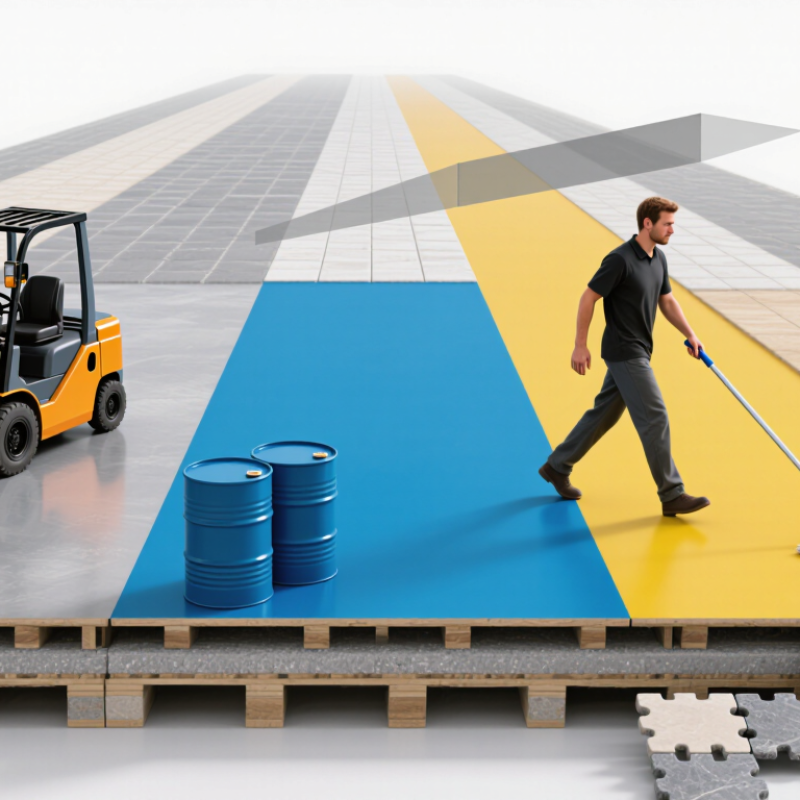
Protective flooring is more than a tough surface underfoot. It is a planned barrier against impact, abrasion, moisture, dust, stains, and slipping. In warehouses, workshops, loading areas, and public facilities, the right system protects both the base floor and daily operations. A damaged floor can slow carts, create trip risks, and increase cleaning costs.
Global buyers need it because site conditions vary widely. A flooring system suitable for a dry warehouse may fail in a humid coastal facility. Temperature changes, heavy wheels, cleaning chemicals, and installation skills all affect performance. During project reviews, buyers often focus on thickness first. That can be misleading. Bond strength, surface preparation, drainage, repair access, and verified test data matter just as much. No floor is perfect. A practical choice balances service life, maintenance, local availability, and installation risk.
Tips: Define the traffic clearly. Record wheel loads, impact points, moisture conditions, and cleaning methods. Request slip resistance, abrasion, chemical, and fire-performance documentation where relevant. Check whether local installers can prepare the substrate correctly. Small trial areas are valuable, although they cannot represent every seasonal condition. Recheck the specification before purchase; real sites often expose assumptions that drawings miss.


Copyright © CUSTOM Building Products 2025
Products | Resources | Interactive Tools | Warranties | Privacy Policy | Terms of Use | Technical Training
