



Choosing the right Prefabricated Metal Carports in 2026 requires more than comparing prices online. Global buyers must examine steel grade, roof loading, corrosion protection, drainage, anchoring, and installation support. A low quotation may hide thinner tubing, weaker coatings, or incomplete engineering documents.
Grand View Research reports that the global modular construction market is expanding as buyers seek faster, controlled, and less wasteful building methods. The World Steel Association also identifies steel as a highly recyclable construction material, supporting long-term infrastructure decisions. These trends strengthen the case for factory-produced carports. However, market reports often combine homes, warehouses, and temporary structures. Their figures should not be treated as exact carport sales data.
Ryan E. Smith, a recognized modular construction researcher, wrote, “The key is not to think of modular construction as a product, but as a process.” This principle matters for carports. Factory cutting, repeatable welding, documented inspections, and efficient shipping can improve consistency. Yet the process can still fail when local wind, snow, soil, or permit requirements are ignored.
This guide evaluates leading 2026 models for international buyers. It considers dimensions, galvanized finishes, loading performance, packaging, customization, warranties, and after-sales communication. Picture the real purchase: a container arrives with labeled beams, bolt bags, drawings, and missing instructions. That detail matters.
There is no universally best structure. Climate changes everything. Careful buyers should compare verified specifications, not attractive renderings alone.
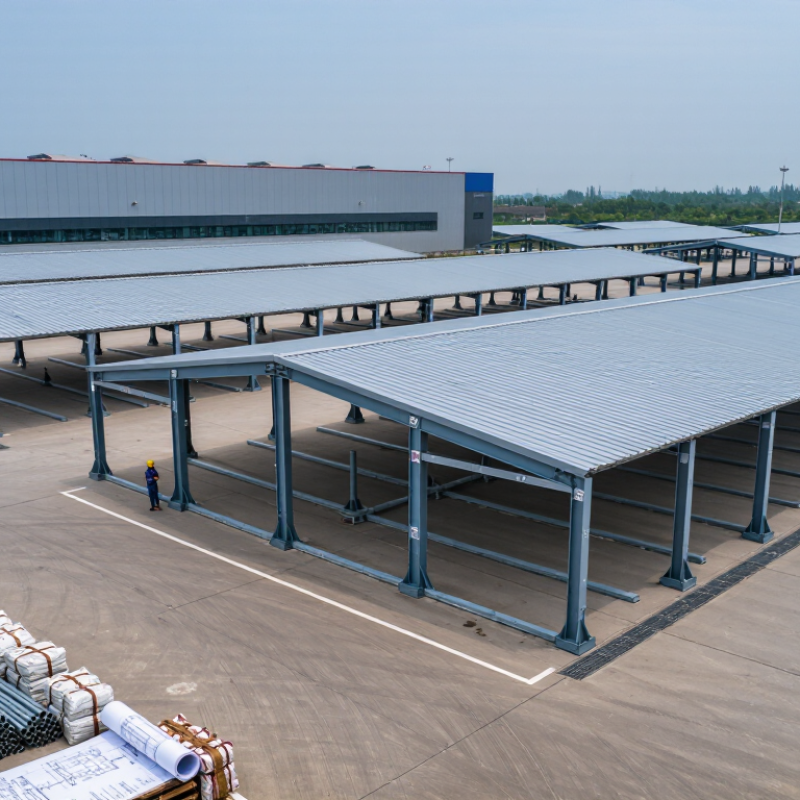
Prefabricated Metal Carports are sheltered parking structures made from factory-produced steel components. They usually include vertical posts, roof beams, metal panels, anchors, and connection hardware. Unlike masonry garages, they arrive in measured sections and require limited on-site cutting. This controlled production can improve consistency and reduce construction time.
Common roof shapes include regular, boxed-eave, and vertical-panel designs. Galvanized or coated steel helps resist moisture, corrosion, and daily exposure.
The structure works by transferring roof weight through beams and posts into the ground. Anchors secure the posts to a concrete slab, asphalt surface, or prepared soil base. In windy or snowy regions, the foundation and connections matter as much as the roof panels.
Engineers normally consider local wind speed, snow load, drainage, and soil conditions. Open sides allow natural ventilation, which helps reduce heat and condensation beneath the roof. They do not provide the same protection as enclosed garages.
Site preparation deserves careful attention. A level base prevents uneven loading and difficult assembly. Installers should check bolt tightness, panel alignment, and anchor depth during construction. Local permits and setback rules may also apply, even for temporary-looking structures.
A common mistake is choosing a low-cost frame without checking regional weather requirements. It may look sturdy in calm conditions. That assumption can fail later.
Buyers should request load specifications, material thickness, installation instructions, and corrosion protection details. Reviewing these documents with a qualified local installer often reveals problems before delivery.


Copyright © CUSTOM Building Products 2025
Products | Resources | Interactive Tools | Warranties | Privacy Policy | Terms of Use | Technical Training
